PM Briefing: More warmth and humidity is on the way, but it could be worse

There will be a moment sometime next week when you will find yourself complaining (or wanting to complain) about the warmth and humidity in New York City. It may be advantageous for you to consider that it could be much worse.

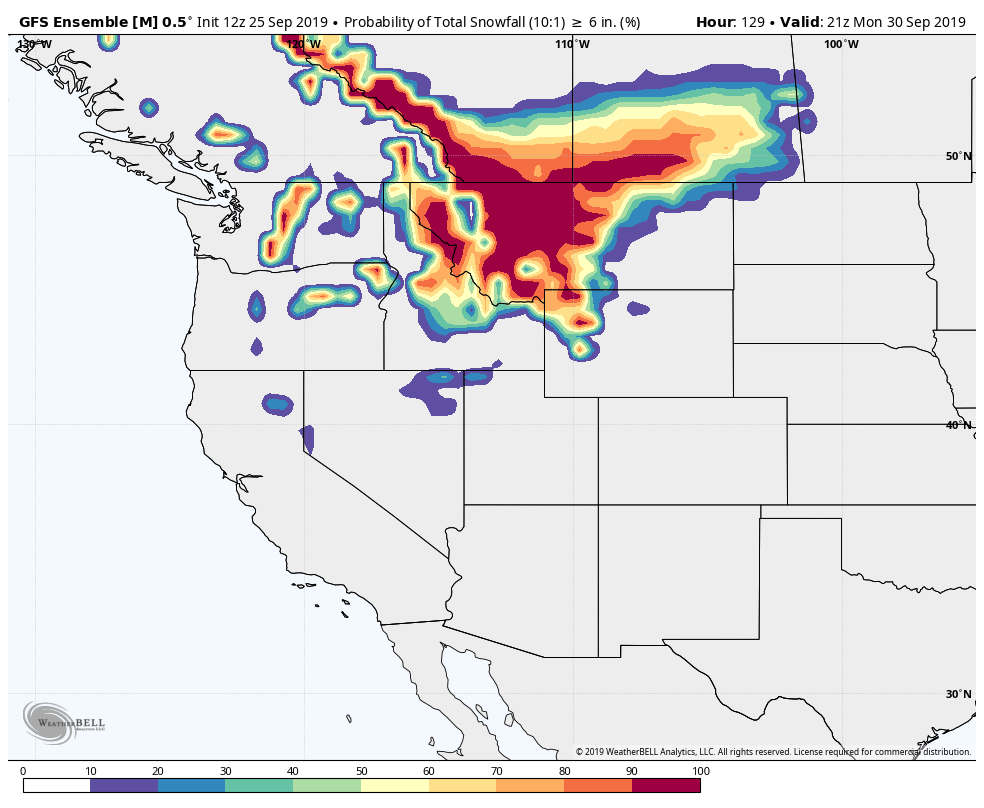
Take Montana, for example, where it appears increasingly likely that a significant, severe and highly anomalous winter storm will occur this weekend. The National Weather Service is forecasting blizzard conditions with 18 to 36 inches of snow and widespread tree damage – including the potential for extreme impacts to the agricultural and power infrastructure.

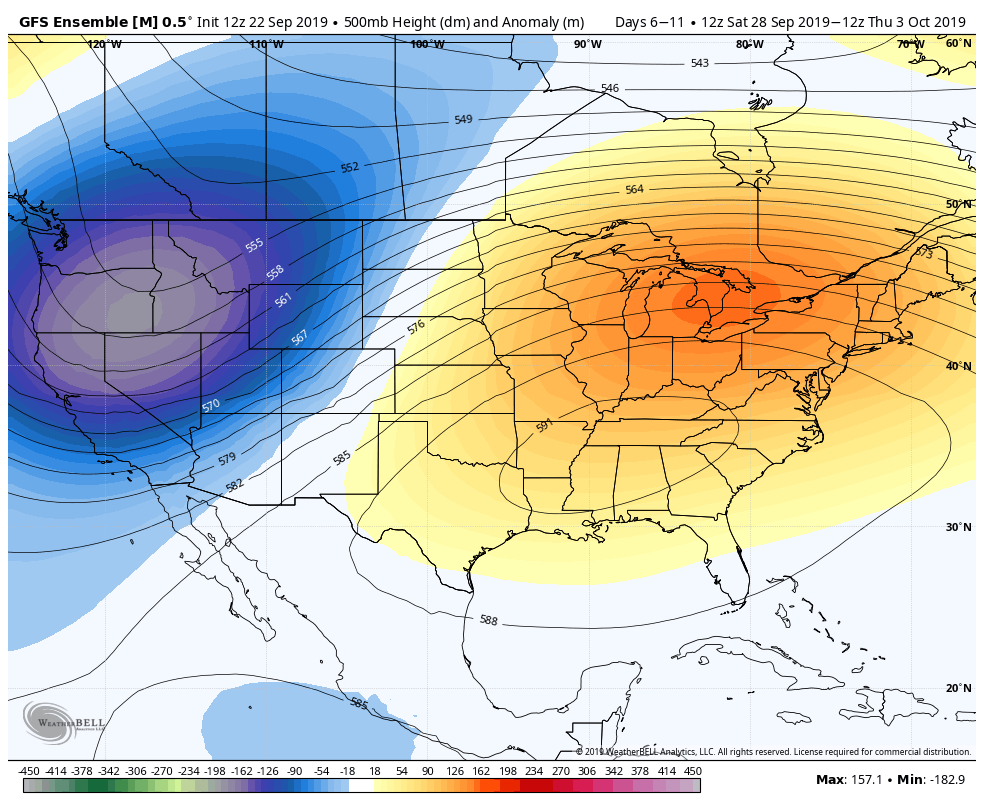
The very same trough and disturbance causing blizzard conditions in the Northwest US will be responsible for ramping up a ridge in the Central and Eastern states. This will, in turn, lead to the warming temperatures and rising humidity in the NYC Area.

An anomalous and near record-breaking ridge

Most forecast guidance is in good agreement that a very large ridge will build across the Central and Eastern United States starting this weekend. By early next week, this ridge could be one of the strongest on record for this time of year in the mid levels of the atmosphere (the ECMWF is forecasting heights at the 99th percentile).

European model showing a large ridge over the Eastern US early next week.

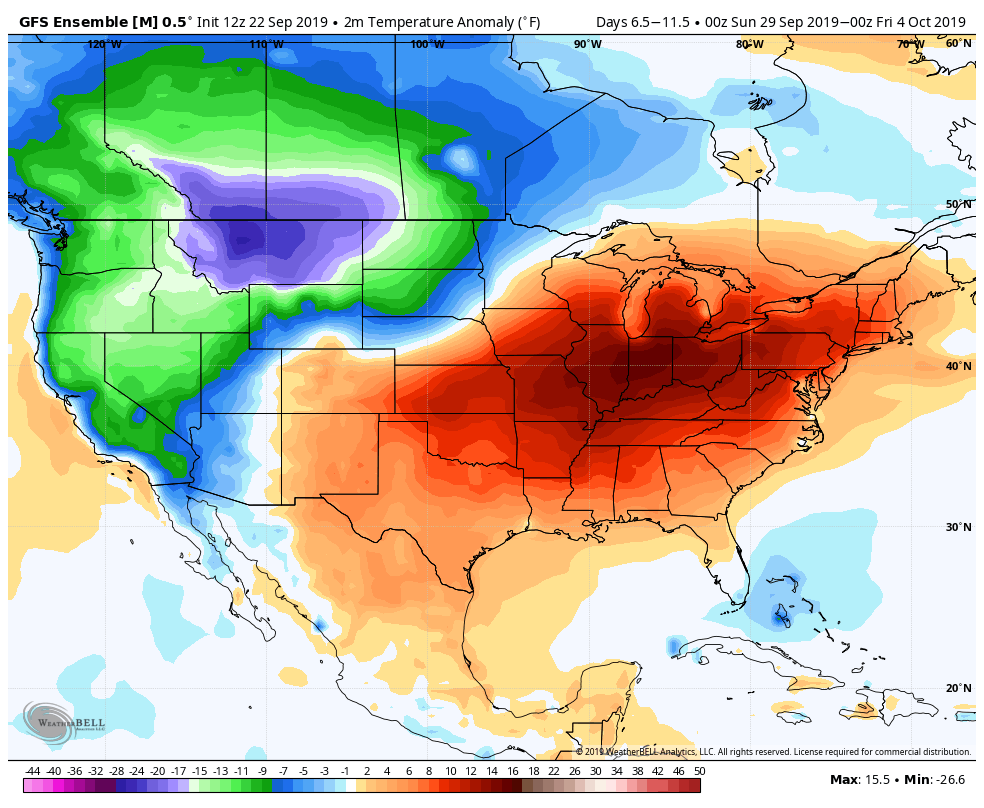
Temperatures will average 10 or more degrees above normal across a large part of the Ohio Valley, Tennessee Valley and Mid Atlantic States. This ridge of high pressure is expected to persist until the first few days of October.

What does this mean in terms of sensible weather? Summer-like conditions. The average high temperature in New York City is falling to near 70 degrees this time of year, and most forecast models suggest high temperatures will reach at least the middle 80’s for multiple days. Rising humidity levels won’t help, either.

An equally anomalous trough and storm to our west

While we suffer through unusually warm temperatures and humidity, parts of Montana, Idaho, and Washington – as well as British Columbia and Saskatchewan – will experience blizzard conditions. Almost all model guidance is in good agreement in an unusually early and severe winter storm in those areas this weekend.
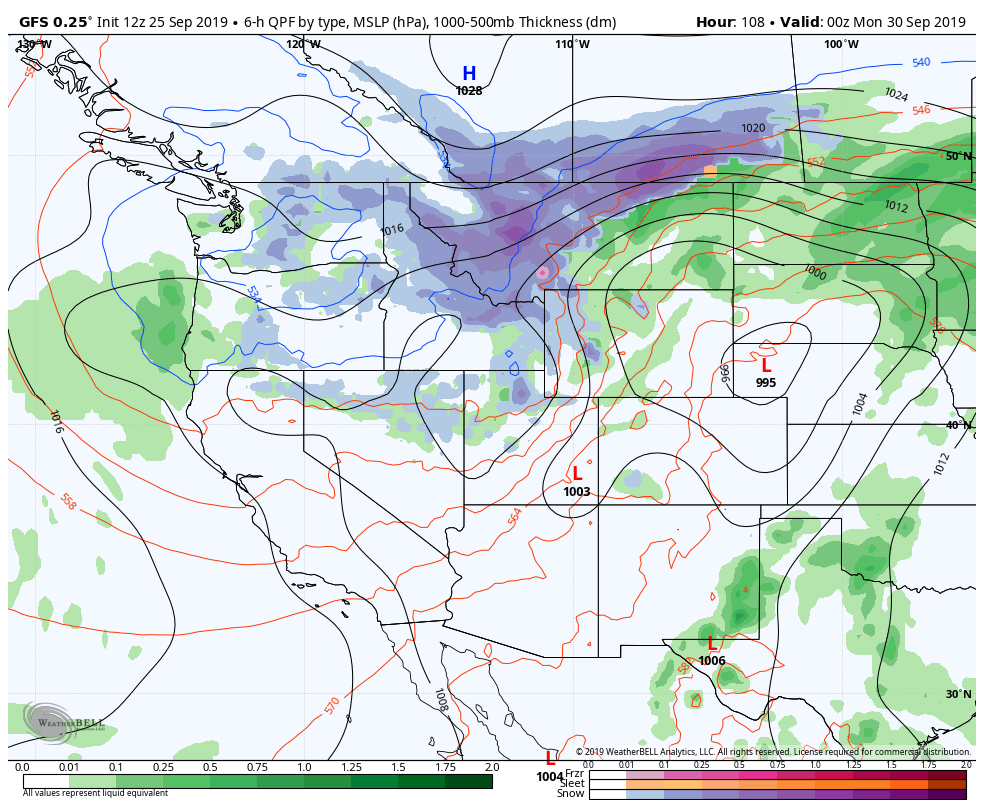
A large trough will swing into the Pacific Northwest states this weekend, forcing the development of a strong surface low pressure system. Unusually cold air lingering to the north of the storm will get tugged southward, and precipitation is expected to change to snow across the aforementioned areas, especially the higher elevations.

Winter Storm Watches have been issued for parts of the mentioned states, with the potential for significant snowfall. High winds are also expected, resulting in the potential for tree damage and power outages.

Pattern will change, but it will take some time

By the time we move into the second week of October, the weather pattern is likely to change across the United States. This change will allow a more progressive pattern to take hold – kicking out the heat and humidity and allowing more typical Autumn weather to take over.

The timing of this change remains in question, but we’re currently targeting the second week of October for the change. Stay tuned for more as we draw closer – and stay cool!

Warmth and humidity to return again as anomalous ridge develops

If you were thinking that we had seen the last of warmth and humidity this year, think again. Forecast model guidance is in excellent agreement that a large ridge will develop across the Central and Eastern United States in the next 5 days. This will lead to the development of anomalously warm conditions from the Plains to the East Coast.

In the Northeast, temperatures could average several degrees above normal for more than a week. At times, forecast model guidance suggests that temperatures could average 15 to 20 degrees above average. Those kind of numbers will lead to unusual – and likely uncomfortable – warmth and humidity.

A summer-like ridge expected to form

Large and sprawling ridges of high pressure have developed across the Central and Eastern United States a few times already this Summer – and multiple times in the past few weeks. This one, though, looks to be particularly strong. Guidance suggests that heights in the mid levels of the atmosphere could approach summer-like levels during the week ahead.

Ensemble guidance continues to suggest that a large ridge will form in the Eastern US over the next several days.

When large ridges of high pressure like this develop, the airmass and air flow can quickly lead to abnormal warmth. Temperatures across the Central United States, particularly from the Plains toward the Ohio Valley, are likely to average 10 or more degrees above normal in the next week.

This warmth will eventually make it into the Eastern United States as well, with temperatures skyrocketing well above normal as we move through the last several days of September. There are some signals that this warmth could continue into the early part of October as well.

Here in New York City, this type of atmospheric pattern almost always means two things: Warmth and humidity. Dew points will gradually rise, and as the airmass around us modifies and the ridge remains in place, temperatures will eventually reach several degrees above normal, too. The forecast during the week ahead is likely to feature temperatures warming into the 80’s by the weeks end.

Temperatures are likely to average several degrees above normal through the end of September.

Tropics expected to remain active

Medium range weather model guidance is also in excellent agreement that conditions will remain favorable for tropical development in the Atlantic over the next 10-14 days. Tropical Storm Karen recently formed and is expected to pass near Puerto Rico before moving northward – but the systems path after that time also remains an uncertainty.

Additional tropical cyclone development is anticipated with clusters of thunderstorms emerging off of Africa in the next week. Multiple systems could develop and begin a general westward movement through the Tropical Atlantic.

Seemingly annual “1000 year” flood arrives again as Imelda hammers Texas

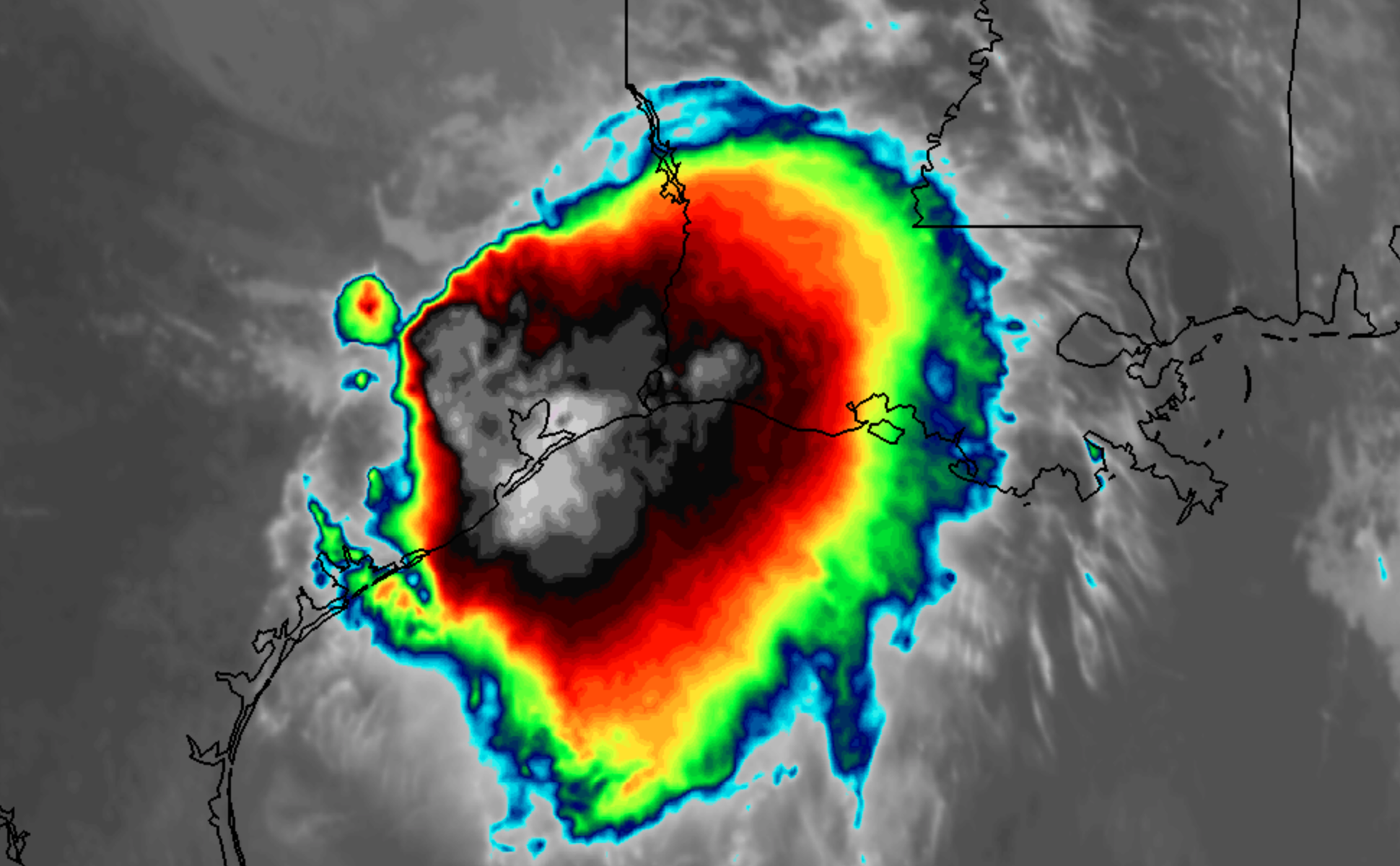
Two years removed from Hurricane Harvey, which brought over 60″ of rainfall to parts of Southeast Texas, areas near Houston are experiencing generational flooding once again. Rainfall totals of over 40″ have been reported over the past three days from the remnants of Tropical Storm Imelda.

Read more

Dry, calm weather to continue in NYC as foliage perks up

High pressure will remain in control for the next few days, with calm and dry weather expected. Temperatures will remain cooler and crisp through the end of the week, before warming up this weekend. High temperatures may eventually reach several degrees above normal.

Read more