
Major meteor shower possible tonight: Things to know
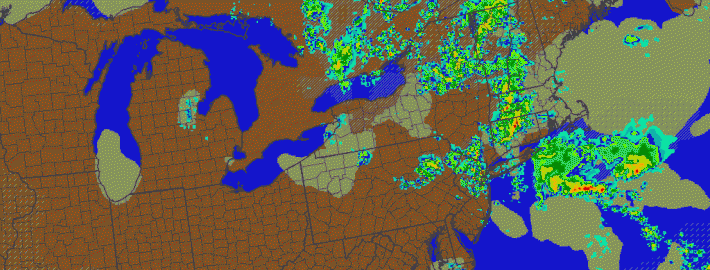
A few days ago, we detailed the upcoming Camelopardalid meteor shower. The day (and night) is finally here! With the new, potentially major meteor shower peaking Friday Night into Saturday morning, there are still many questions to be answered. We do our best to answer them, provide additional information, and inject our weather knowledge into the potential amazing celestial event — to try and forecast whether or not our area will be able to view it.
The Basics
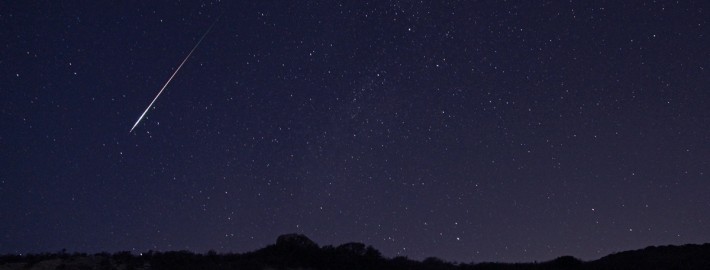
The new meteor shower was discovered and timed by scientists last year — and was known to be possible before that. It is occurring, as most meteor showers do, as the Earth passes hrough the debris path of a comet. For instance, Earth has been passing through Comet Swift-Tuttle debris to create the Perseid meteor shower for thousands of years.This time, it’s Comet 209P/LINEAR which is causing the meteor shower — and Earth has never crossed paths with its debris before. When Earth passes through the debris fields of comets, the bunches of rock (of varying density) crash through the Earth’s atmosphere, burning up as they do so and creating an amazing spectacle known as shooting stars, or meteors.
Accordingly, on the night of Friday May 23rd into Saturday May 24th, scientists have been able to pinpoint the interaction between Earth and Comet 209P/LINEAR’s debris field. The debris field just so happens to be quite dense, and this has scientists wondering if the meteor shower just may reach “storm level” — or at the very least provide a very strong meteor shower.