Naming winter storms: Effective, or silly?

This morning, The Weather Channel announced that they would begin naming winter storms throughout the United States beginning during the Autumn and Winter of 2012-2013. For decades, hurricanes have been the only major weather events which have been given names, and they have been assigned by the government (The National Weather Service). Now, The Weather Channel is looking to change that, by naming winter storms that produce prolific snow or ice throughout the US this winter. There will be no set scale for a defined “named winter storm”, the main difference between The Weather Channel’s scale and the National Hurricane Center. Instead, The Weather Channel will decide which storms to name based on strength, snowfall totals, ice accretion, and population impact.  Such an announcement takes a while to process, and many throughout the meteorological community and even the general public are still reacting to the announcement.

Judging by various reactions on social networking sites (including Facebook, Twitter, and American Weather meteorology discussion community), the reaction to this announcement has been a mixed bag to say the least. In fact, one marketing company, MGH, buried TWC’s idea as a poor marketing scheme and a ratings-generator. In an article titled “At The Weather Channel it’s Marketing First, News Second“, and also discussed by our friends at Capital Weather Gang, Chris McCurry (Public Relations Director at MGH) writes..

“What makes this Weather Channel decision more about marketing than news is that it, as a ratings-generating television network, gets to set the parameters for what makes for a “name-worthy” winter storm.”

ABC 7 Senior Meteorologist Bob Ryan in New England shared his mixed thoughts on the decision. Conversely, other reputable names such as Dr. Ryan Maue support the decision.
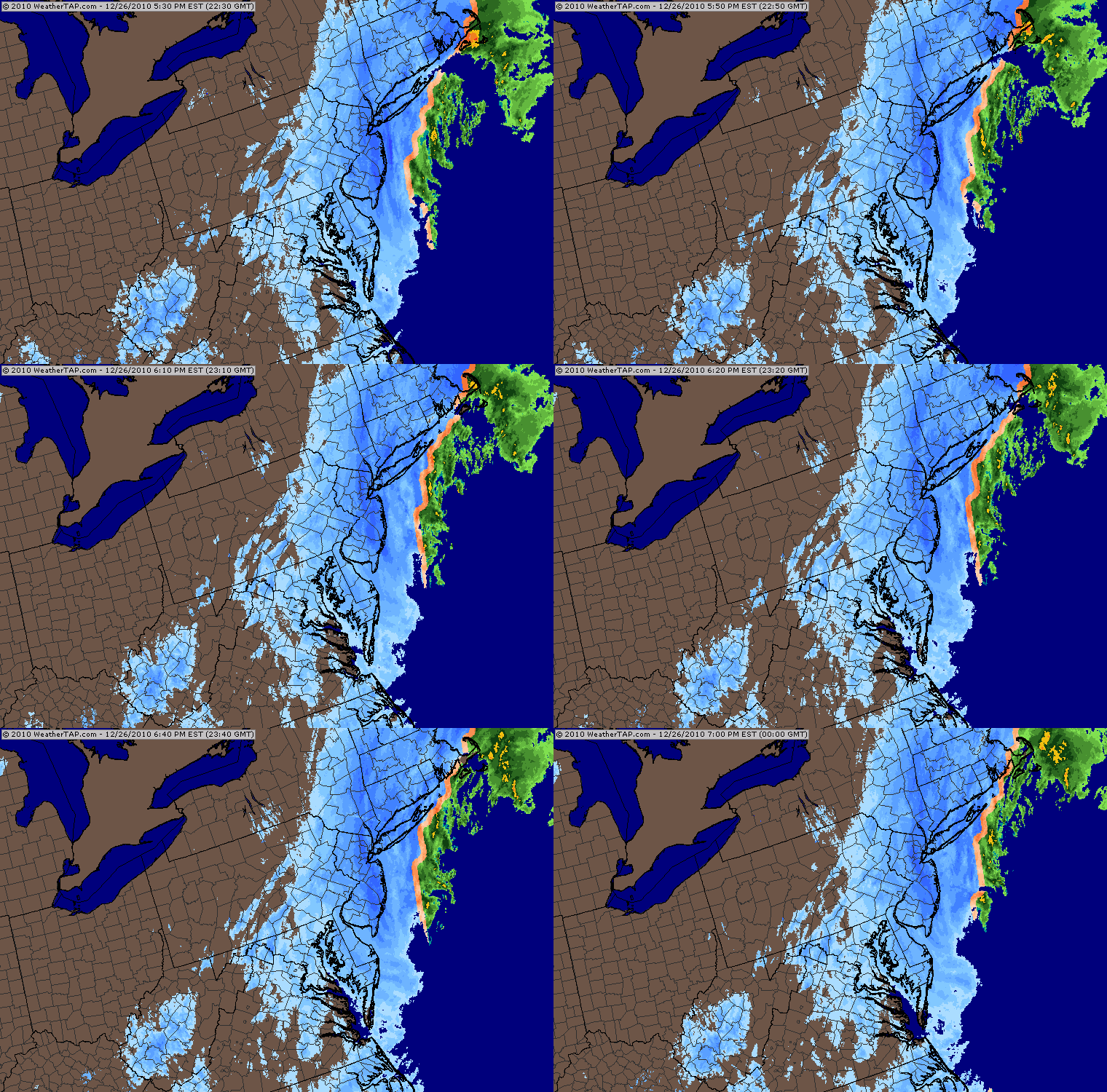
The Boxing Day Blizzard of 2010 hammered New York and New Jersey with 25-30 inches of snow, but had no formal name.

To me the decision to name winter storms is one that comes off, at least initially, as amateur. Yes, he names are silly (Brutus, Q, Freyr ?). But the real problem, in my eyes, lies in the selection process. For meteorologists, winter storms are special. There are so many different types, each of varying strength and condition — and they are much more common than an Atlantic Hurricane. The Weather Channel says, in their press release, that the naming process will depend on the population affected and the severity of the storm. This means that a large, powerful, and textbook cyclone moving through the Rocky Mountains producing prolific snows in mountains with smaller populations probably wont be named — while a weak frontal wave that produces 1-2 inches of snow in Georgia will forever be remembered as “The Great Nemo Snowstorm of 2012”. From a meteorological perspective, the system is flawed.

This is not to say that the forecasters at The Weather Channel don’t know what they’re doing — because they do. They are, whether you like it or not, well versed in their profession. However, I think the exact implementation on the system will eventually decide how the public receives it. There is a good chance, in fact, that most of the general public will see it as a joke. The credibility of the organization could fall. Yet, it seems they are willing to take that risk, whether it be for more recognition and more website hits or not. We won’t dive into that. The issue is, with poor implementation the system won’t help anybody. It will become a game. If The Weather Channel doesn’t implement the naming system correctly, the names won’t help anyone prepare faster, spread the word of the storm, or forecast accurate accumulations for potential hazards. That’s what meteorologists are for.

If you ask me, winter storms don’t need names. You’ll always remember the Blizzard of ’96 and the Presidents Day Storm of 2003, not Nemo and Freyr of 2012. But hey, I guess the jury is still out on this one.

 

October Begins With Moderating Temperatures

For those of you who are not ready for true autumn conditions just yet, good news is in store, at least for the next week. The upper level low that had previously been giving our area lots of clouds, showers, and cool temperatures will depart to the north of the area and bring moderating temperatures behind it. Temperatures should generally run several degrees above normal throughout the upcoming work week.

This week should also be drier than the past few days have been, with some days being quite sunny. However, there may still be some showers around from time to time, mainly for Tuesday and Wednesday.

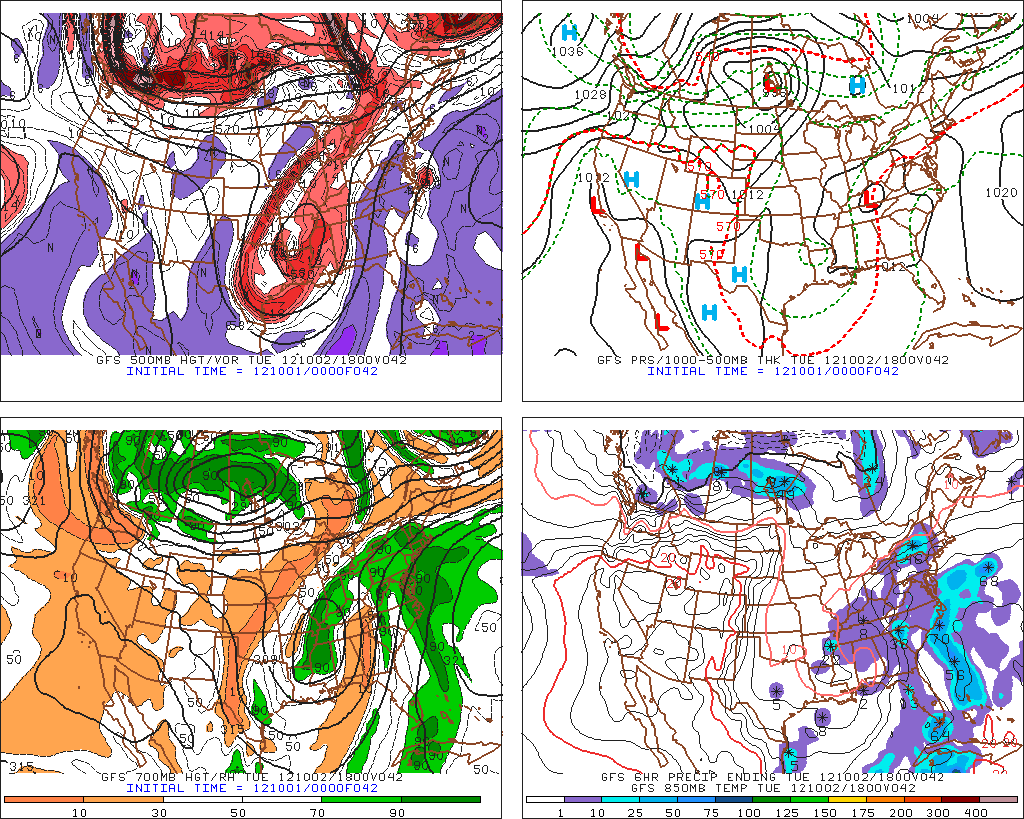
00z GFS Four-Panel Plot, 500mb Top Left, Surface Top Right, 700mb Bottom Left, 850mb Bottom Right, Showing The Warm Weather Pattern, Valid for 2pm Tuesday, October 2nd.

The departing upper level low will help bring clearing conditions for today. Additionally, as one can see from the image, we have a strong 500mb “cut-off” low in the southern states, which is when a storm cuts itself off from the jet stream. This makes a weather pattern slow down, as the jet stream is not moving this particular feature of the pattern. Since the jet stream becomes separate from the storm system, all of the chilly air remains bottled up in Canada. The cut-off low also helps to usher in warm air out ahead of it, as our 500mb heights continue to rise with a southwest flow at that level. There is also a ridge in the Atlantic which helps to provide warmth, but also provides some wind flow from the Ocean — this will all combine to provide warmth with some moisture. Once we move into Tuesday, the disturbance to our southwest will be moving northward, perhaps ushering in a few showers for Tuesday and Wednesday. Fortunately, however, this disturbance will move well to the north of our area by Thursday, providing more sunshine — with enough sunshine, temperatures could approach 80 degrees for much of the Metro region on Thursday and Friday.

(Click “Read More” below to see your Monday, Monday Night, Tuesday, and Tuesday Night forecast, along with a quick preview of next weekend and beyond) 


Read more

PM Update: Unsettled pattern remains in place

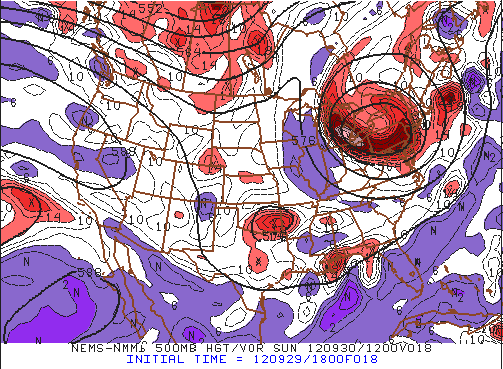
Autumn usually brings a trend towards more unsettled weather, with shorter-duration stretches of pleasant and dry weather. This autumn will be no different, but it may just feel like a slightly more dramatic change in the pattern as a result of the longer than normal stretches of dry and pleasant weather which our area en joyed to close out the summer. Regardless of that, the autumn pattern currently in place will offer chances for clouds and showers throughout the day as a result of an upper level low which is meandering near the area. Cooler weather is in place as well, with temperatures remaining in the 60’s and lower 70’s throughout much of the area for highs, and dropping even cooler at night. Showers and an isolated storm are possible on Sunday as the upper level low shifts closer to the area, bringing a mid-level disturbance through in the afternoon and early evening. Monday looks to be a transition day — and then by late Monday into Tuesday, a surge of warmer and more humid air, owing to the amplification of a ridge to our east, will bring more chances of showers and periods of steady rain as we work towards the beginning/middle of next week. All in all, the story continues to be defined by an unsettled weather pattern — with autumn now in full swing.

NAM Model showing the upper level low in the mid levels of the atmosphere near the area this weekend — causing the unsettled weather.

Saturday Night: Cooler night once again, with temps dropping into the lower 50’s inland and near 60 in the metro area (with even some cooler readings possible in the mountains and higher elevations). A chance of sprinkles in some areas, but definitely no steady or heavy rain is expected overnight.

Sunday: A bit warmer than the past few days, with highs rising into the middle and upper 60’s. But showers will become scattered by afternoon, with even a chance of isolated thunderstorms. The showers and storms should wane by evening with the loss of daytime heating. Could see some sun in the morning, but the presence of showers/storms should bring clouds to many areas by afternoon.

Sunday Night: Similar to Saturday Night with temperatures a few degrees cooler throughout most areas. Low temperatures dropping into the 40’s and 50’s throughout the interior and even into the NYC Metro area.

Monday: A break in between disturbances should keep Monday as the most pleasant day of the next few. Temperatures into the lower 70’s throughout most of the area. Clouds should increase throughout the day but the sun will show its face especially in the morning hours.

Long Range: Models hinting at “cutoff low” next week

On the heels of a developing unsettled weather pattern for late this week, which we detailed in a post on Wednesday Night, forecast models are hinting that the medium and long range pattern could remain unsettled. The main feature in the medium and long range guidance now appears to be a large upper level “cutoff” low, which will cut off from the northern stream (northern jet stream) in Canada and drop into the Great Lakes and Northeast States next week. Such an occurrence isn’t exceptionally rare, especially in the Autumn and Spring. The resulting weather won’t be too extreme, either, but the cutoff lows usually provide a continuing chance of unsettled weather including showers during the day and cooler/cloudier weather in general. So, in essence, the development of the cutoff low as medium and long range guidance suggests would provide a continuing pattern of unsettled weather through early next week. Not all is lost under a cutoff low, however, as the weather can still be pleasant and sunny at times — but the threat for showers will always linger. The other wild card with cutoff lows is the duration of their stay — they can sometimes meander in the area for several days. Luckily, the current pattern isn’t overly slow, so the cutoff low should be pushed out eventually by another trough.

GFS Ensembles showing mid-atmospheric height anomalies. Note the cutoff low over the Great Lakes indicated by below normal anomalies.

Beyond the cutoff low, long range forecast models are indicative of a near-average pattern..but there are some hints of below normal anomalies in the mid-levels of the atmosphere working into the Central and Eastern United States by Day 10, with a large ridge on the West Coast of the United States. This is especially prevalent on the GFS Ensembles this morning. The Euro hints at a similar pattern — which adds some credibility to the potential for a developing below normal height pattern. Such a pattern would provide continued chances for precipitation and below normal temperatures as we head into the first few weeks of October. We’ll keep a close eye on it, especially now that we’re heading into October, where the pattern begins to take its first steps towards a hint at what to expect for winter. Yes,  the magic word. More updates in a few weeks (we love a good cliffhanger).

Stay tuned over the next several days for more updates on the potential cutoff upper level low and its impacts on the weather in the NYC Area next week. And, of course, keep a close eye on our Facebook and Twitter accounts for constant updates on the near and short term weather late this week and weekend.