
What to know before getting excited about the aurora
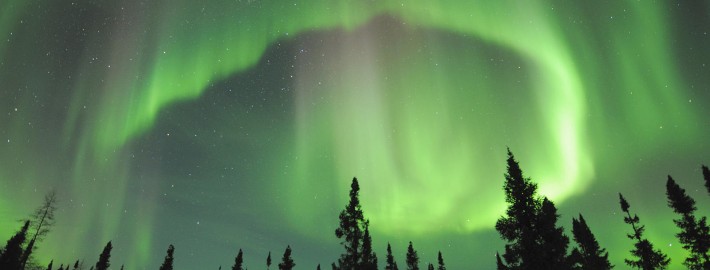
As hype for the potential to see the aurora borealis this weekend increases, thousands of people are now eager to step outside around midnight tonight to glowing, moving multicolored lights in the night sky.
They’ll be disappointed.
There are a few things to know which will not only keep your expectations in check, but also keep you more knowledgeable regarding the phenomenon in the future.
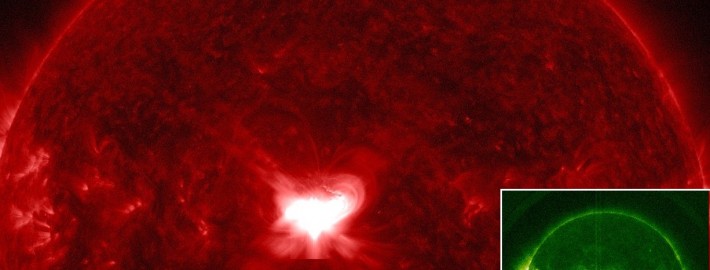
During the middle part of this week, two solar flares occurred from the an Earth-facing sunspot. Solar flares are essentially eruptions from the sun which send energy, light, and high speed particles flying into space. If these flares occur on a part of the sun which is facing earth, eventually the energy, light and particles will reach our planet. These flares are often associated with magnetic storms called CME’s, or Coronal Mass Ejections. Although solar flares aren’t harmful to humans (thanks, atmosphere) they can create long-lasting radiation storms above our heads — and disrupt high frequency radio signals, GPS systems, and satellites. They also can produce beautiful aurora borealis in the night sky, especially in the Northern Latitudes.