New images of Comet ISON in outburst

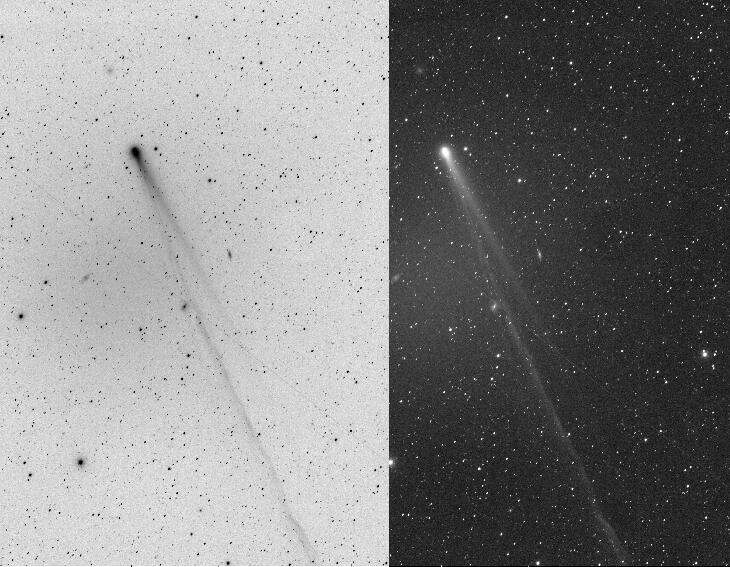
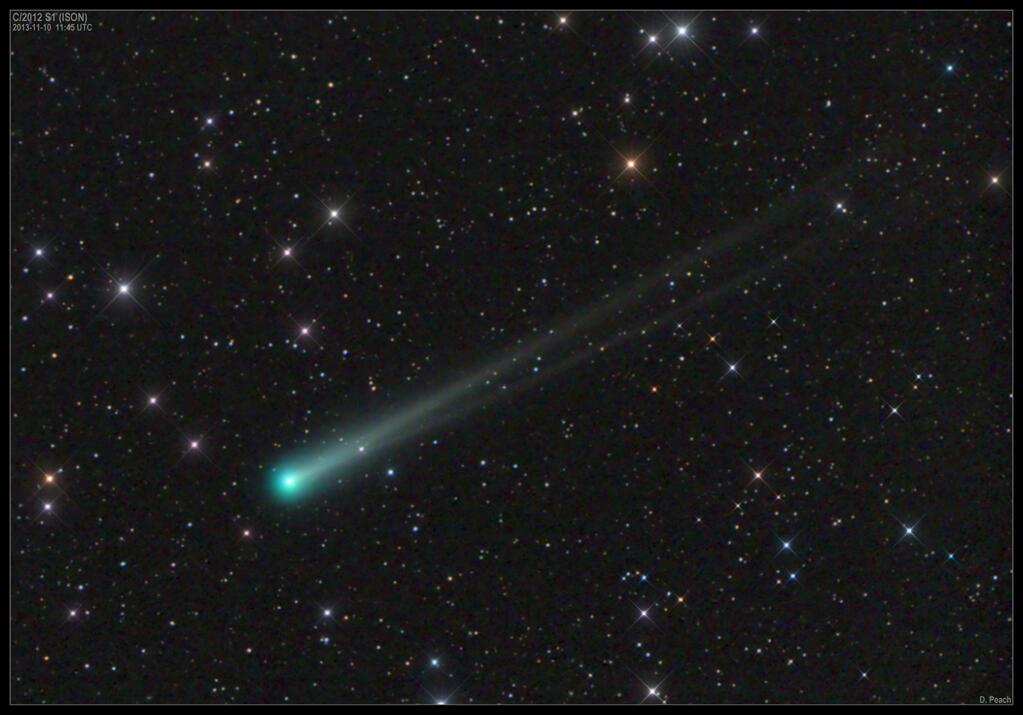
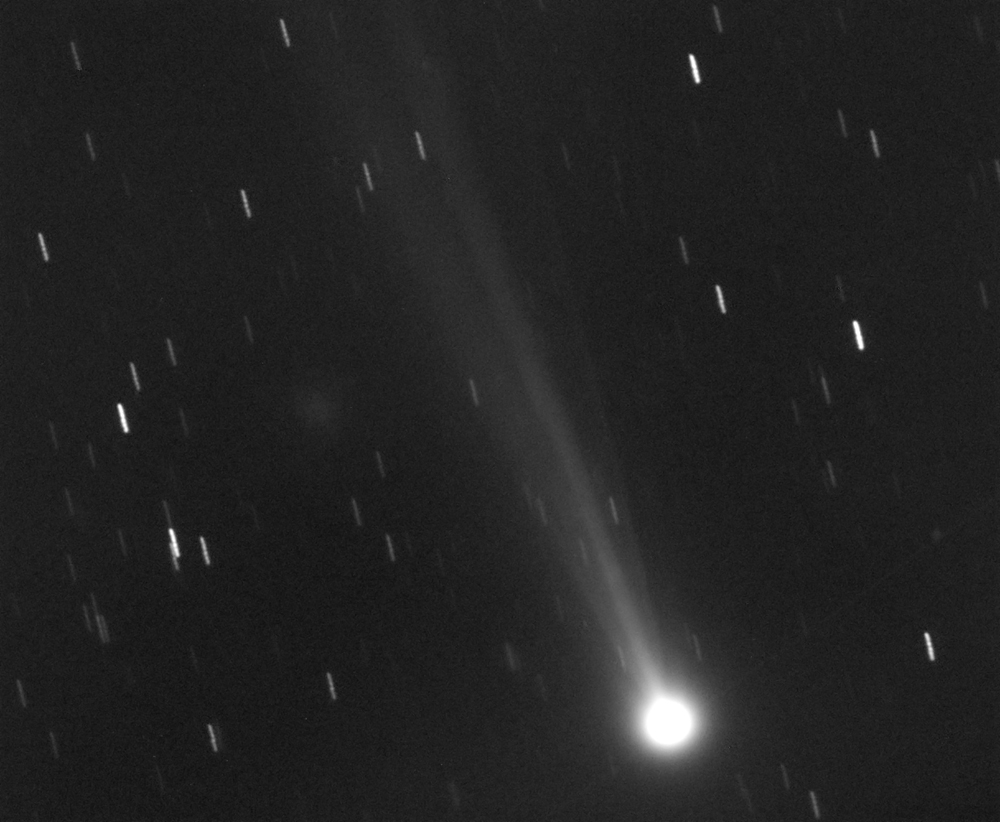
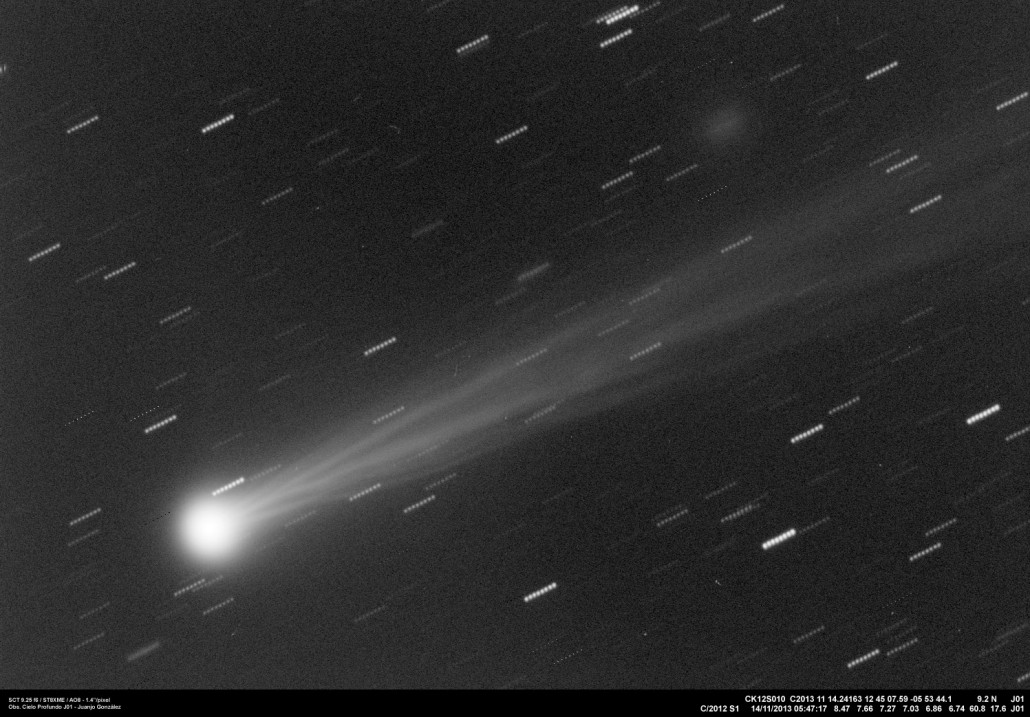
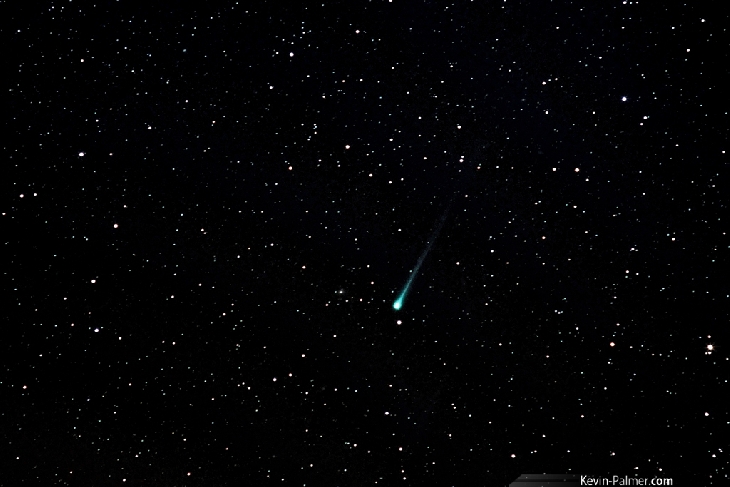
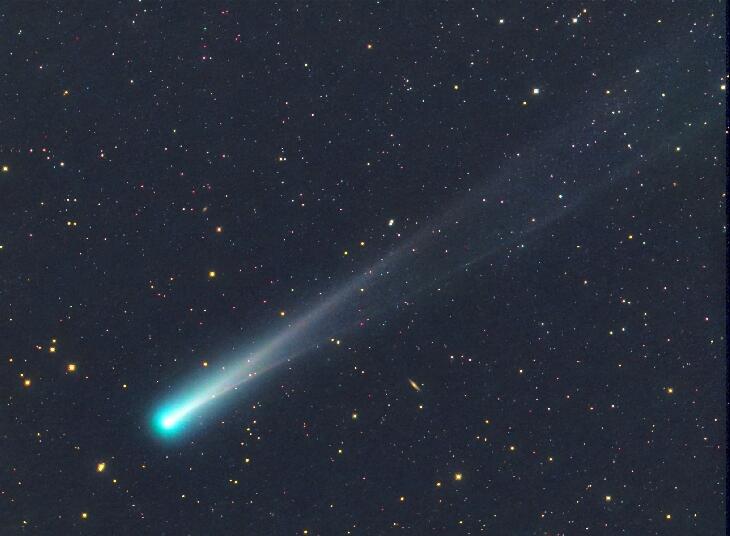
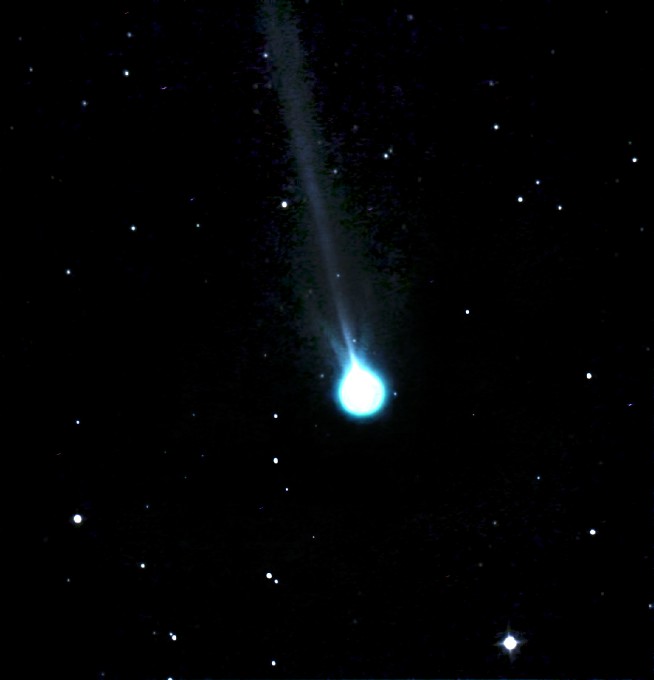
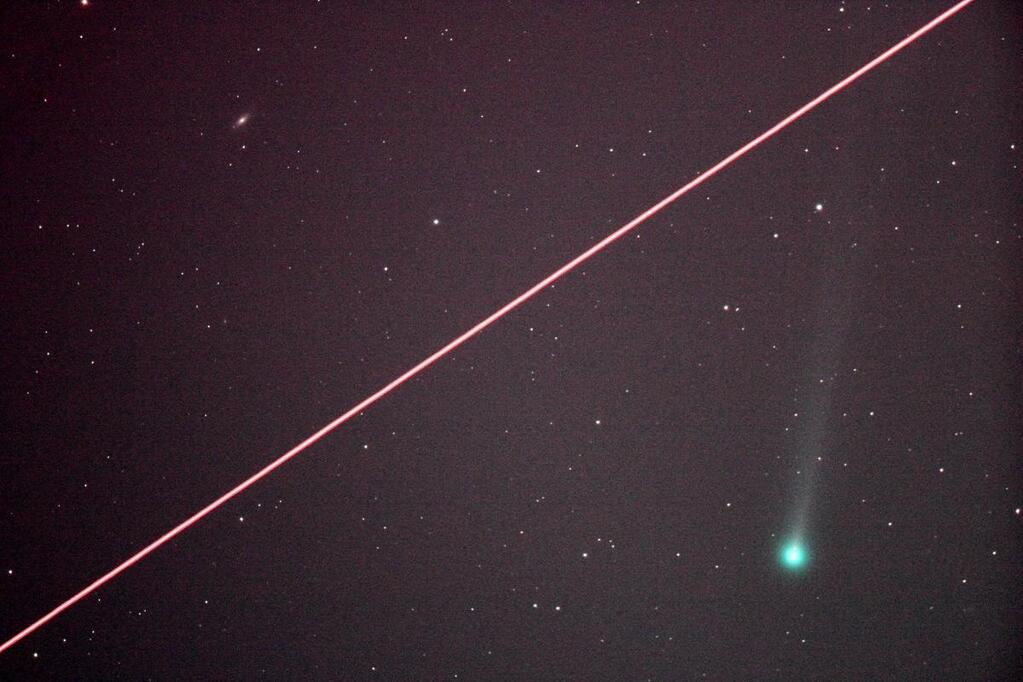
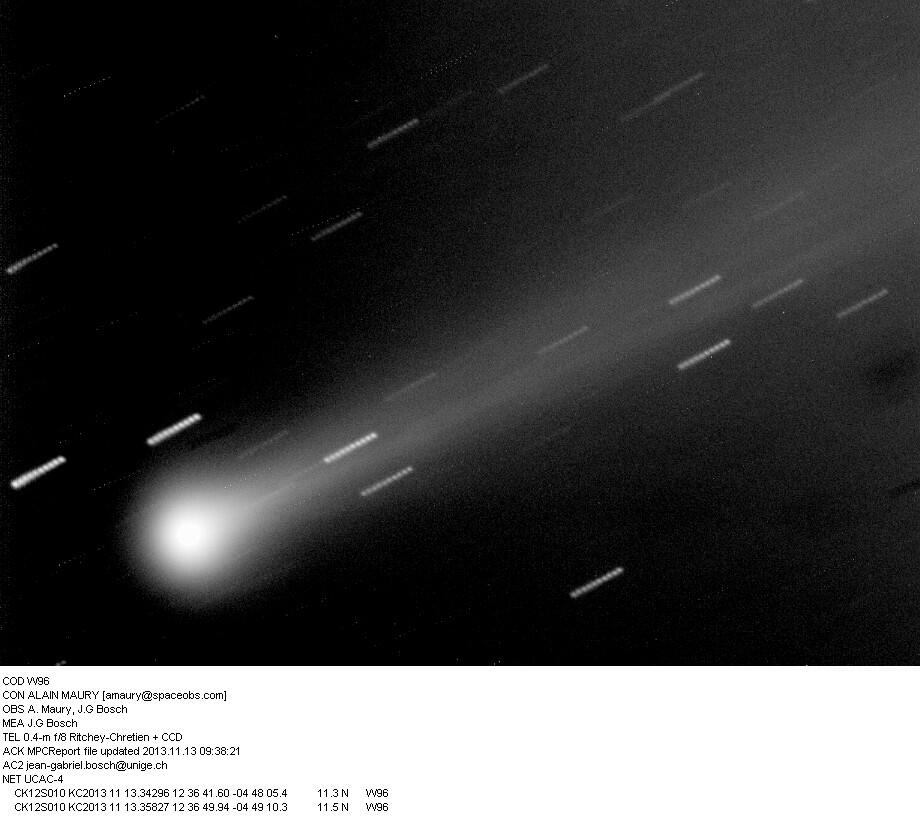
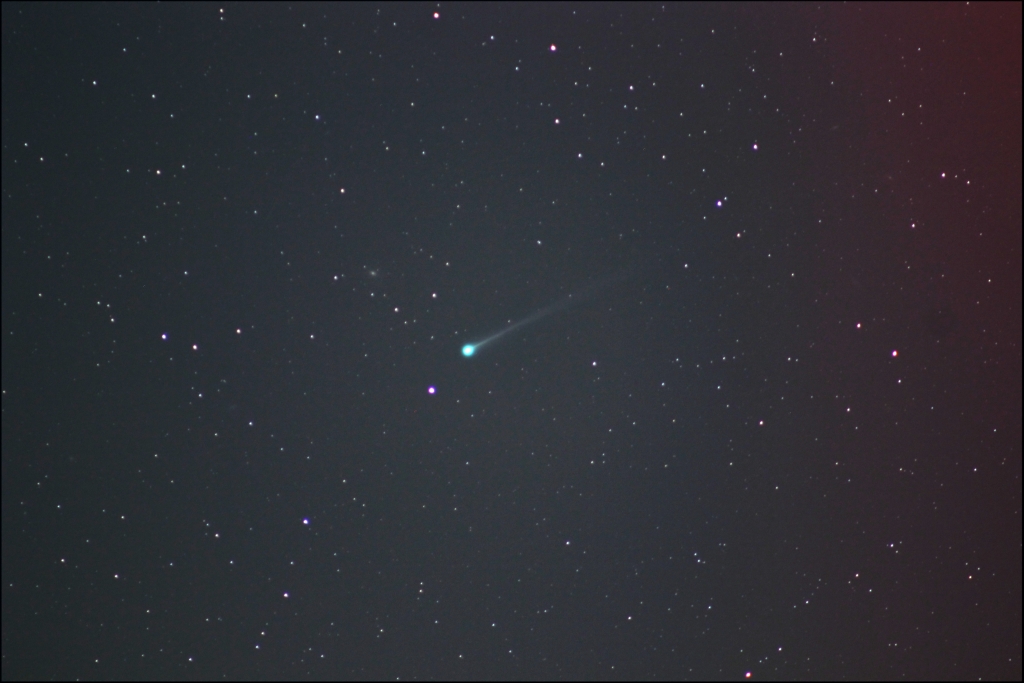
Two weeks from perihelion (its closest approach to the sun), Comet ISON is finally brightening at a rapid pace. Observations taken over the last week had shown the structure of the comet developing. Initially, bifurcation of the comets tail was observed. Shortly thereafter, the tails split into two and three — followed by a disconnection event. All of these were indications of Comet ISON interacting with increased solar winds. Late on Wednesday, amateur astronomers began reporting dramatically increased brightness, and new observations confirm that Comet ISON is likely in “outburst”. Outburst occurs when the comets volatiles (dust, gas, ice on the surface and within the comet) begin to react to the suns heat and solar wind.

It remains to be seen if the outburst will be short lived, or if it will continue until perihelion. The comets fate still is very much up in the air, partly because not much is known about the comets makeup. Originating from the Oort Cloud, Comet ISON is the first of its kind to be observed with modern day instruments. Scientists have been hoping to get a bright, in tact comet to study. But ISON could still break up as it interacts with the suns heat and wind. It could brighten sharply over the next few days and then simply burn out, it could survive until it reaches the sun, or it could survive well past perihelion. The ladder of the three possibilities would offer a terrific show here on earth, as the comet would all but certainly shine extremely bright with a spectacular tail as it moves away from the sun. The next few weeks will certainly be interesting — and we will be watching very carefully! Check out a series of images from the past few days below.
 

Read more

PM Update: Cold, but warming by late week

The coldest night (and day) of the year occurred on Wednesday, as low temperatures dipped into the teens and 20s overnight. Daytime highs struggled out of the mid to upper 30’s on Wednesday afternoon, more typical for low temperatures this time of year. The much below normal temperatures come as a result of an arctic airmass, which swung through the region over the past day or two and will continue to swing eastward by Thursday. New York City’s temperature fell below 30 F, the earliest date it has done so since November 10 2004.

The progressive nature of the mid and upper level patterns over the last few weeks means one thing — airmasses are not going to settle into the area. Not surprisingly, warming is expected by later this week — we could even reach into the 60’s this weekend.

Read more

Three weeks from perihelion, ISON still puzzling

With perihelion fast approaching, Comet ISON is brightening steadily as it makes its first and only trip towards the inner solar system. The comet, once dubbed “Comet of the Century” by amateur astronomers after it was discovered at an alarmingly bright magnitude over a year ago, has fallen short of expectations since then. But studies by various scientists have only left confusing results and differing opinions. Some say the comet is on its way to disintegration, others are expecting an outburst of brightness within the next two weeks. ISON, however, will do what it wants — as it continues its trek towards the sun, and then outward into space once again.

Comet ISON, imaged November 3rd 2013 by Rolando Ligustri.

Comet ISON, imaged November 3rd 2013 by Rolando Ligustri.

Read more

PM Update: Even colder evening on the way

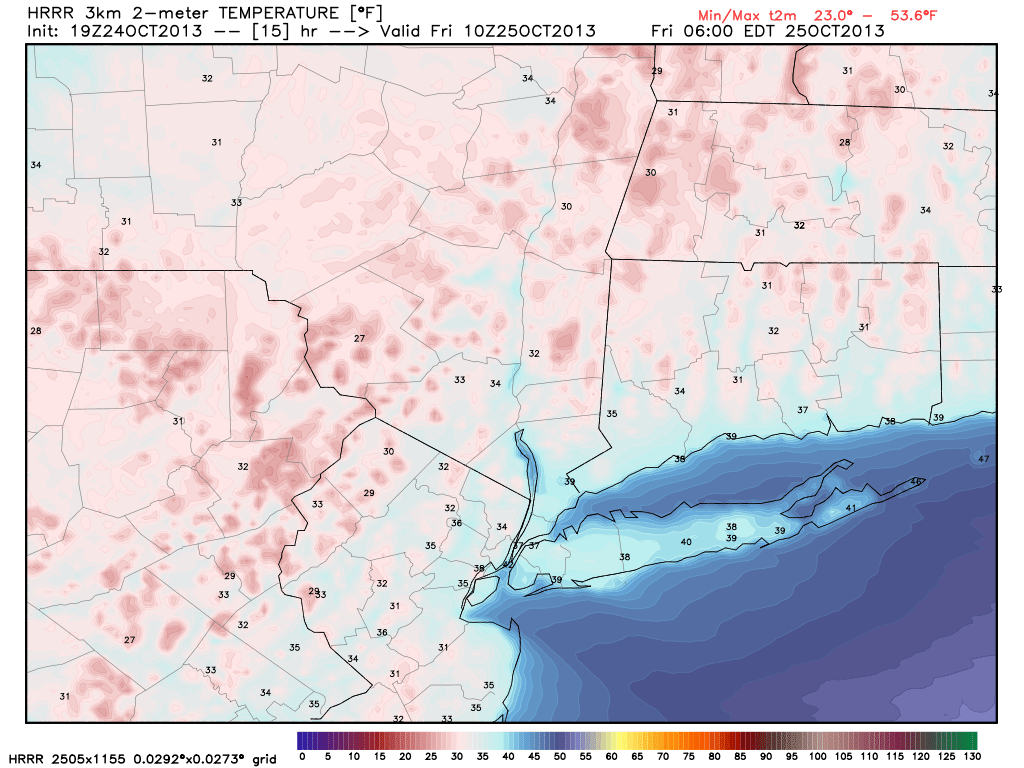
Temperatures plummeted into the upper 20s to low 30s early Thursday morning, and although it remained warmer in the city, many interior areas saw the growing season end. Such was the case for Sussex, Morris, Warren, Somerset and Hunterdon counties in New Jersey. Tonight will offer even colder temperatures, owing to a cold airmass settled in aloft as well as clear skies and light winds.

850mb temperatures have fallen to below -4 throughout much of the area — and temperatures responded today. Highs topped out in the 50’s with blustery west winds, a stark reminder that winter is in fact on the way. The same feel will be in the air tonight. Dew points have fallen dramatically, and the clearing skies and light winds will allow for better radiational cooling. Temperatures are expected to fall into the upper 20s across the interior — and the 30s even in the city.

NAM model, showing temperatures falling into the 20's and 30's overnight tonight into Friday morning.

NAM model, showing temperatures falling into the 20’s and 30’s overnight tonight into Friday morning.

Read more