Winter Forecast 2015-2016

You can view the entire 2015-2016 Winter Forecast in a PDF file by clicking here.

Primary Methodologies and Variables of Examination

  • El Nino Southern Oscillation (ENSO)
  • Arctic Oscillation (AO)
  • East Pacific Oscillation (EPO)
  • Pacific Decadal Oscillation (PDO)
  • North Atlantic Oscillation (NAO)
  • Siberian/Eurasian Snow cover and Stratospheric Warming
  • Solar Activity
  • Sea Surface Temperature Anomalies (SSTA)

Explanation of Variables

Over the past several months, our forecasters have monitored the above variables (plus others) and the trends in their behavior. We will be utilizing the above variables and indices, as well as their abbreviations, throughout the winter forecast. These variables reflect the atmospheric circulation patterns for certain geographical areas. For example, the AO refers to patterns within the Arctic Circle. The NAO refers to pattern characteristics in the North Atlantic, the PNA in the western part of North America, the PDO in the Pacific Ocean, and the EPO in the Northern and Eastern Pacific Ocean.

Typically, negative AO, NAO and EPO values correlate to enhanced high latitude blocking and high pressure to our north while lower pressure areas and troughs usually form underneath that high latitude ridging in the middle latitudes. In contrast, positive AO, NAO and EPO values generally yield lower pressure and less blocking to our north, while higher pressure and more ridging tends to build into the middle latitudes. There are exceptions to the rule, but generally the negative state of the above listed indices yields colder, more snowy weather in our area during the winter months.
Read more

PM Update: Cooler behind front, pleasant Halloween

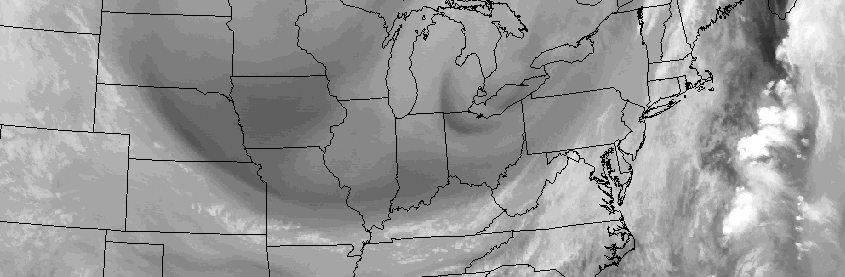
Warm and moist air, which settled into the region on Wednesday Night, has been scoured out thanks to a cold frontal passage on Thursday afternoon. Sunny and warm conditions prevailed, thanks to lingering warm air near the surface, but temperatures in both the mid and low levels of the atmosphere will cool further overnight. Westerly winds took over for the southerly winds which had dominated beforehand, and will help to usher in the cooler airmass.

This trend will continue through Friday, with cooler air arriving throughout the Northeast United States. Highs will be several degrees colder than they were on Thursday. The air will feel crisp and, well, Autumn-like, with high temperatures topping out in the mid to upper 50’s with a westerly wind component.

Read more

Heavy rain, gusty winds likely on Wednesday

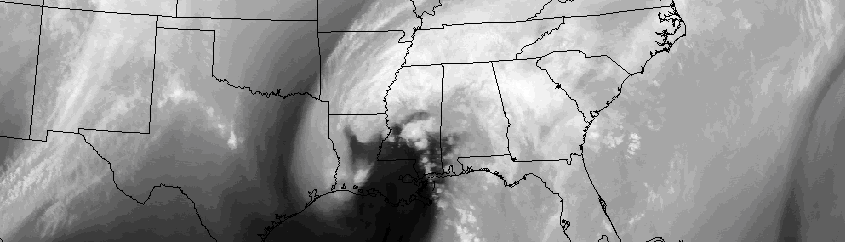
The interaction between tropical moisture — remnants of Hurricane Patricia — and a strong mid level atmospheric disturbance over the North Central US will aid in the development of steady rain on Wednesday. As forcing for precipitation increases during the morning hours, steady rains will develop from southwest to northeast throughout the area. Atmospheric moisture content will increase throughout the day, as a psuedo-warm front moves through New Jersey and New York.

Precipitable water values between 200 and 300 percent above average are a testament to the tropical moisture involved in Wednesday’s rains. During the late morning and afternoon, a low level jet stream is expected to strengthen, further aiding in the potential for heavy rains. While heavy rain isn’t expected to be constant, sporadic heavy rains could cause localized flooding, despite the moderate drought conditions in much of Northern New Jersey, New York and Connecticut.

Read more

Midweek storm system likely to bring widespread rainfall

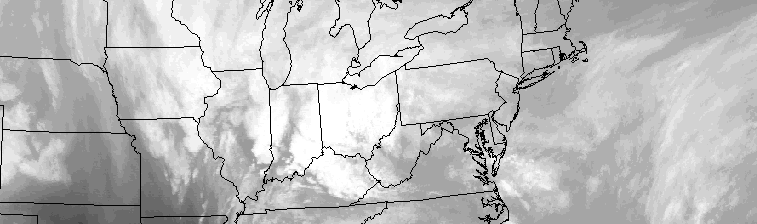
It has been quite some time since our area experienced an area-wide moderate rainfall event. That looks to change during the middle of this coming week, as the remnants of Hurricane Patricia interact with another atmospheric dsiturbance over the Central United States. The resulting low pressure system will develop through the Great Lakes and into Canada, allowing the northward surge of moisture along the East Coast and toward our area on Wednesday.

Interestingly enough, the indirect impacts from Patricia will be enough to bust a pattern which had been continuously dry in our area. Moderate drought conditions continued in much of Northern New Jersey, NYC, Long Island and Connecticut to start this week, still lingering from the very dry summer months. New York City is still running 8″ behind the average seasonal rainfall total. This weeks rainfall event, then, may be “welcomed”.

Read more