
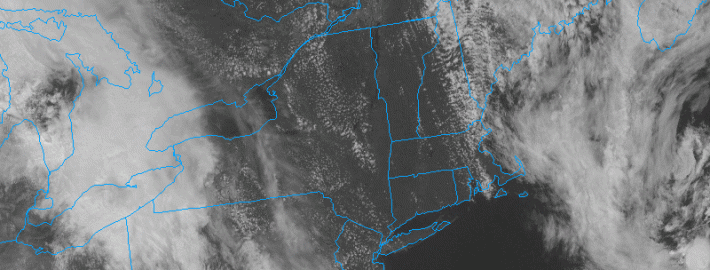
Beautiful this afternoon, thunderstorms midweek, delightful Memorial Day weekend

This afternoon and tonight: The large upper level cold pool which triggered clouds on Sunday and Monday afternoons has scooted out to sea, allowing a ridge to build in. This has resulted in warmer temperatures, and will also preclude any significant cloud formation. The rest of this afternoon looks great, with temperatures in the upper 70s and sunny skies. Continued downsloping westerly and northwesterly winds will prevent any seabreeze from forming, so an evening trip to the beach should be a great idea. There will be a few moderate breezes from time-to-time, but nothing that would ruin going outdoors or going for a walk on a beach boardwalk.

Moving forward to tonight is when the weather will start to change, as a shortwave and area of vorticity will be running along the top of the ridge and head towards us from the north and west. This will allow for an increase in clouds tonight, keeping our low temperatures a bit warmer — generally in the upper 50s. Any rain, however, should hold off until tomorrow, and perhaps even as late as tomorrow afternoon.  Read more
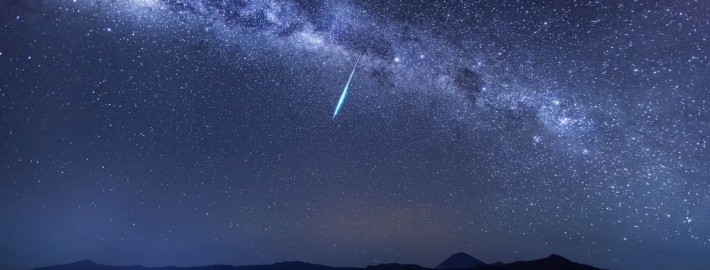
New, major meteor shower possible May 23-24

Meteor showers come and go annually, often timed with the seasons. The Leonids, Perseids, and Quadrantids are staples in the calendar. Accordingly, many have become accustomed to not only the meteor showers timing — but the rate at which meteors fall (per hour) during each shower. Some even are able to recognize and remember where in the sky, or the constellations, from which the meteors radiate from. But what happens when an entirely new meteor shower comes into the picture, with the potential to reach “storm” level?

Enter: The Camelopardalid Meteor Shower, peaking on the night of May 23 – 24 2014

Doesn’t quite roll off the tongue. The new meteor shower was discovered and timed by scientists last year — and was known to be possible before that. It is occurring, as most meteor showers do, due to the Earth passing through the debris path of a comet.  For instance, Earth has been passing through Comet Swift-Tuttle debris to create the Perseid meteor shower for thousands of years. This time, it’s Comet 209P/LINEAR which is causing the meteor shower — and Earth has never crossed paths with its debris before. (Featured image, meteor captured during the Eta-Aquarid meteor shower in 2013 by Justin Ng.)

Read more