2/6 PM All Zones: Update on midweek snow potential

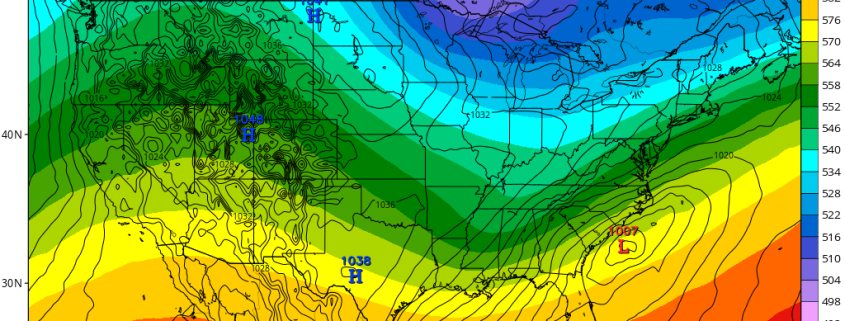
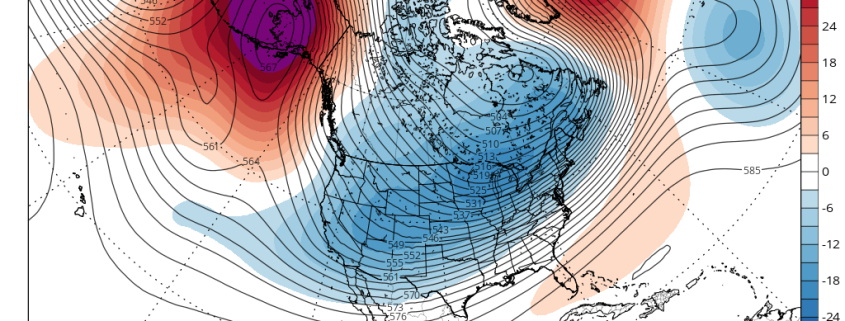
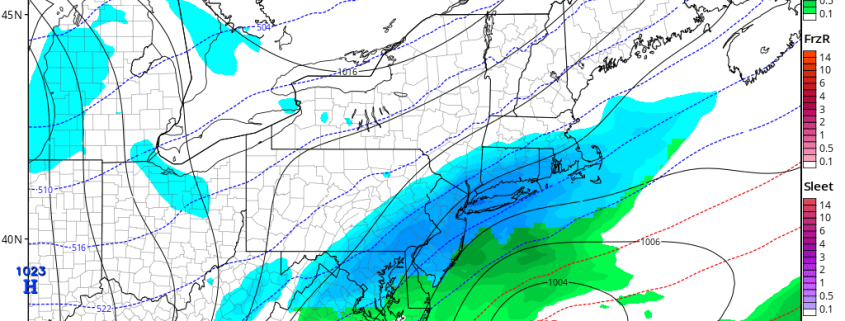
Forecast models have trended toward a more amplified solution with a mid and upper level atmospheric disturbance, which will swing through the Mid Atlantic states on Thursday. A low pressure area at the surface, developing as a result of the disturbance aloft, will move from the Mid Atlantic States to a position south of New England. But its exact track remains highly uncertain, and will determine the sensible weather effects in the Northeast.

Much of the uncertainty stems from the interaction between two disturbances from the northern and southern jet streams in the atmosphere. Both of these disturbances are still very far away from our area — one over Canada and the other in the Pacific. These are critical components to the forecast that likely won’t be resolved for another 24 hours or so. A fast flow in the atmosphere will quickly bring them into the United States this week.

As the disturbances interact, a main mid level disturbance will develop and shift towards the Mid Atlantic coast. As a low pressure system develops, lift for precipitation will strengthen and expand to its northwest. As you can imagine, pinning down exactly where this low pressure tracks will be critical. Some forecast models are still further southeast with the low pressure center, suggesting lesser impacts in the Northeast US — while others are more impactful all around.

While the atmospheric flow is fast and progressive (i.e, no tremendous snow amounts are expected) an impactful storm seems to be an increasing possibility on Thursday. Most model suites and ensemble guidance have converged today on a low pressure track envelope that will ensure at least light impacts — with the potential for more depending on track.

We break down the intricacies of the atmospheric setup in more detail right here in our Premium Zone video discussion:
Tracking a Couple of Light Snow Events Next Week

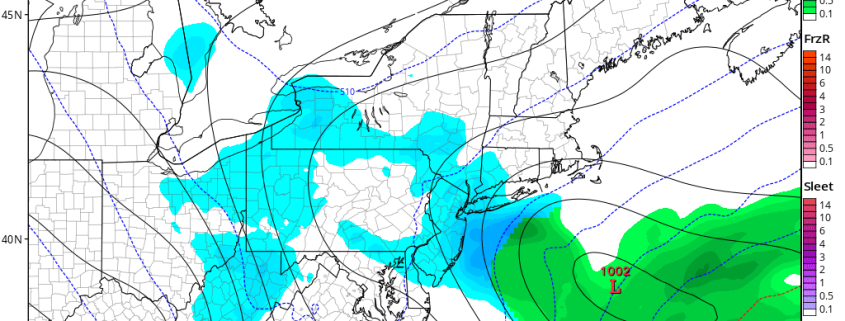
Winter is finally about to make a return to the Northeast, and given that we are nearing the peak climatology period for snow, this often comes with snow threats. Often times, though, in an initial pattern change, the pattern becomes cold and dry for a period. And while it’s certainly a possibility that we will be cold and dry for a while, there has been increasing evidence that we may be tracking 1, 2, or even 3 light snow events in the next week or so. It all starts with an amplified PNA ridge in the western half of the US that greatly interacts with a lot of disturbances in Canada. This forces these disturbances to interact with this ridge and slide down into the Central US and try to amplify in the Tennessee Valley and gain moisture in the process. This is how you can get a little clipper event to turn into something more substantial.

Initially, the flow is very compressed and elongated in the South and in the Atlantic. This will serve to prevent any phasing with STJ moisture and also try to send any low pressure that forms well out to sea. So the moisture development and getting a low pressure to pop close to the coast may be almost entirely dependent on the amplitude of the PNA ridge and the interaction of the shortwaves as they initially enter the US, which means moisture may be hard to come by.

Read more

Inching Closer to Snow this Weekend

As many of you know by now, there are two threats for snow over the next few days: the first of which starting late Thursday night and Friday, and the second of which on Saturday. While most model guidance verbatim is still not impressive with either threat, there have been many impressive trends today, particularly with the second storm, as that one has a much higher ceiling. The UKMET model, for example, shows a big snowstorm for a 2nd straight run, the ECMWF and its ensembles made another large jog westward.

The first disturbance is via a Polar shortwave that dives southward into the Northern Plains from Canada. This shortwave is pretty potent and resembles a lot of past setups that have a late-blooming low pressure that drop a few inches of fluffy, high-ratio snow. What’s preventing this event from having a truly high ceiling is that this shortwave is not truly detached from the downstream flow and initial vortex in SE Canada, so it cannot become its own entity. This shunts the positive vorticity advection main access offshore where there is a separate area of disjointed vorticity rather than the area where the main shortwave is. The main shortwave instead simply serves to buckle the flow a bit and provide more dynamics rather than directly correlate with the track of the system. That being said, this shortwave may still trend amplified enough to allow a last second north jump with a weak low pressure offshore that can give a few inches of snow to coastal areas.

Read more

Multiple Wave-Breaking Events Support an early January Snowstorm

While the coast is experiencing yet another rain event to end 2016, there are many changes currently ongoing to the pattern that could open the door for a widespread snow event in the beginning of 2017. How long the pattern change lasts for is a different discussion and will be talked about in our long range update tomorrow, but for now we will be focusing on the changes over the next week.

We first place our eyes on the Pacific. A couple of days ago, there was a strong Pacific Jet and the flow was somewhat zonal in the Pacific, and to some extent that is still currently true. But looking closely, there was an active wave train of ridges and troughs, despite the relatively flat flow. It wasn’t just one straight buzz-saw — there were ripples to this pattern that could easily lead to more amplification in a short period of time. While this isn’t the sole cause of the eventual wave-break, we have a cut-off low in the Southwest that retrogrades, and that began to slow the pattern down upstream in the Pacific. And when there are already ridges and troughs in-place, sometimes it just takes one slow-down to truly shake things up.

Read more