Active Pattern Kicks In With Multiple Heavy Rain Threats

Good Evening! 

Today was likely the last in the series of nice warm fall days that we have managed to string together over the past five days or so. Mots of the day was rather calm and clear with winds out of the south/southeast, bringing in more moist dewpoints into the area. With mid level temperatures rising ahead of a strong mid level trough located in the central part of the country, we were able to get temperatures to rise into the lower to middle 70’s this afternoon-which is slightly above normal for this time of year. As we progressed into the late afternoon and early evening, mid level clouds began to increase substantially as the vigorous mid level system that we have been talking about since last week began to intensify and pivot towards the east. As of this evening, heavy showers were located in portions of the Mid Atlantic states, and reaching into western Pennsylvania. This heavy shower activity is being fueled by a strong upper level jet in conjunction with an impressive low level jet, working to transport deep tropical moisture northward into the East. As we continue into the night tonight, this activity will likely continue to gradually move northeast, and eventually make its way into eastern Pennsylvania around 5am or so. By this time, moisture transport from the source region of the Caribbean will be maximized, and the upper level jet over-top this anomalous moisture will be to expand and promote surface convergence, which will promote heavy/intense rainfall to develop. High resolution model guidance disagrees on the exact evolution of these features, but signs point to possible low-topped convection forming over eastern Pennsylvania and quickly heading northeast into the NY metro.
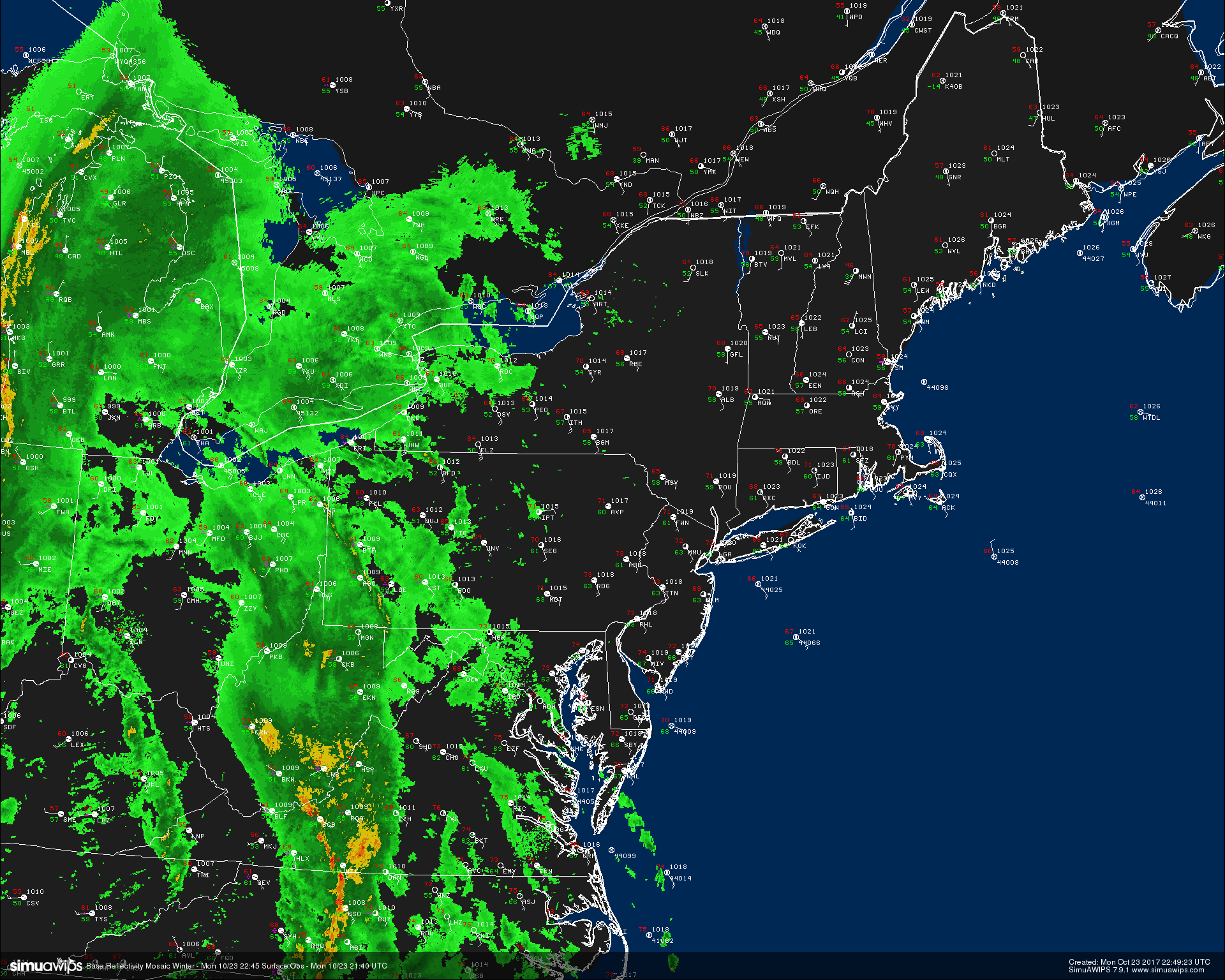
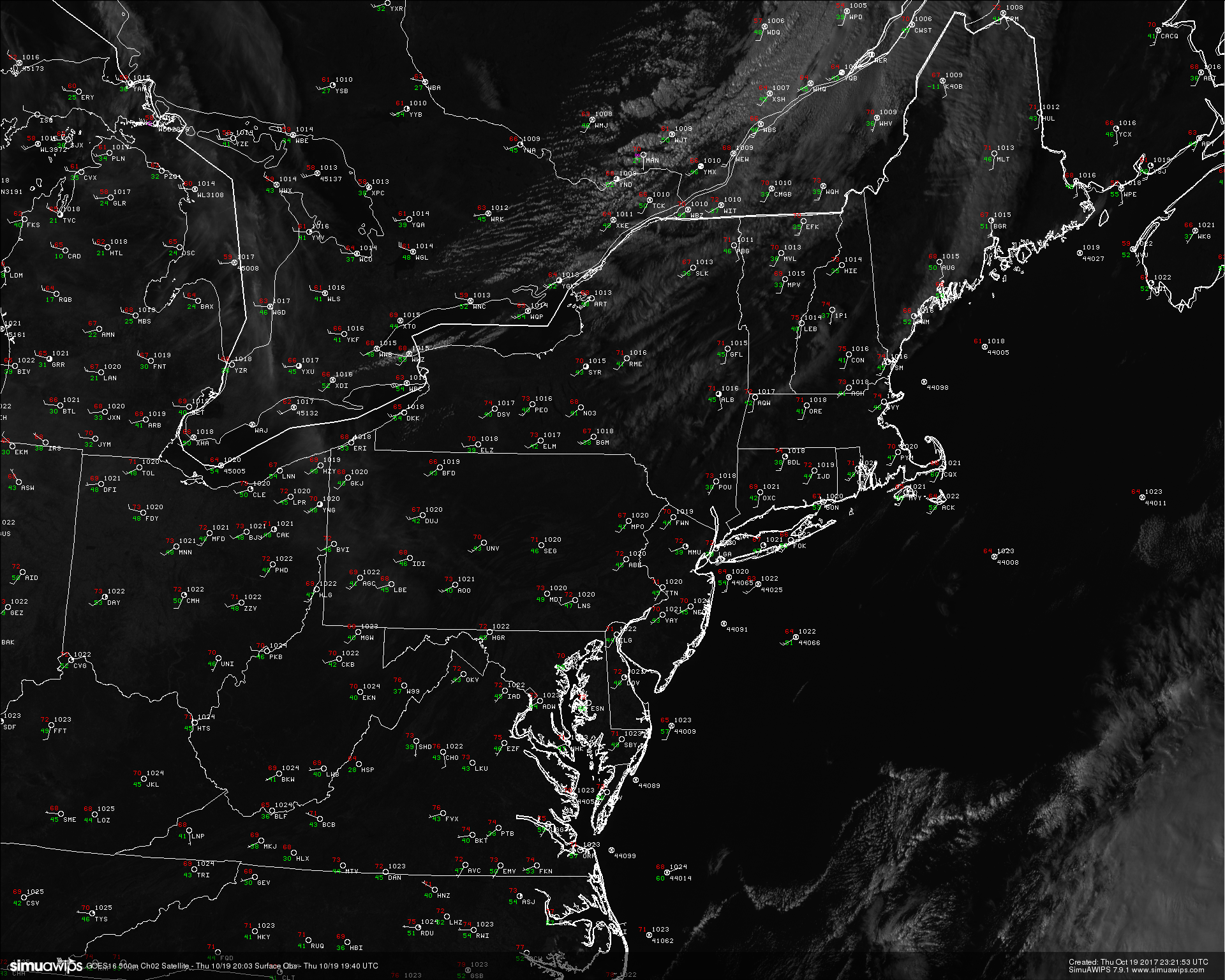
Radar and surface observations from around the Northeast and Mid Atlantic states showing the vigorous Pacific system finally getting ready to impact the region with heavy rain and strong winds.

Radar and surface observations from around the Northeast and Mid Atlantic states showing the vigorous Pacific system finally getting ready to impact the region with heavy rain and strong winds.

This area of heavy showers with embedded convection will have the potential to produce very heavy rain, gusty winds, and localized road flooding due to leaves clogging areas of poor drainage as it heads northeast. As this activity moves onward, the stout mid level jet will be strengthening through the morning hours, and this will help to promote strong, gusty winds in the 30-50mph range even outside of the strongest area of activity. These winds could easily take down small tree limbs that still have leaves on them and could possibly cause localized power outages. For this reason, the NWS has issued numerous Wind Advisorys for the Northeast. The bulk of the activity should be located just west of New Jersey by 8-9am, and we may see renewed activity begin to form from the south over the Atlantic and possibly move inland over New Jesery and Long Island. Eventually, this activity looks to become focused along a frontal system that will likely be set up just to the east of New York City by later in the day on Tuesday. This activity will have the same very moist precipitable water feed that the morning activity had, as well the strong mid-upper level winds, so very heavy rain and strong, gusty winds will also be possible along with some rumbles of thunder mixed in as well. This frontal system will likely be slow to move later in the day tomorrow, and we could see training of showers and thunderstorms over the same regions, which would put areas that see multiple rounds of rain under a heightened threat for flooding.

Isolated locations on Long Island could see upwards of 2-4″ of rain, with a very sharp gradient on the east and west side due to the northward movement of the showers and thunderstorms. It is also important to note that we will have to watch any organized thunderstorms moving off the ocean for possible tornado/waterspout activity, as there may be just enough low level turning to support a brief/weak spin-up along the NJ/LI coasts.
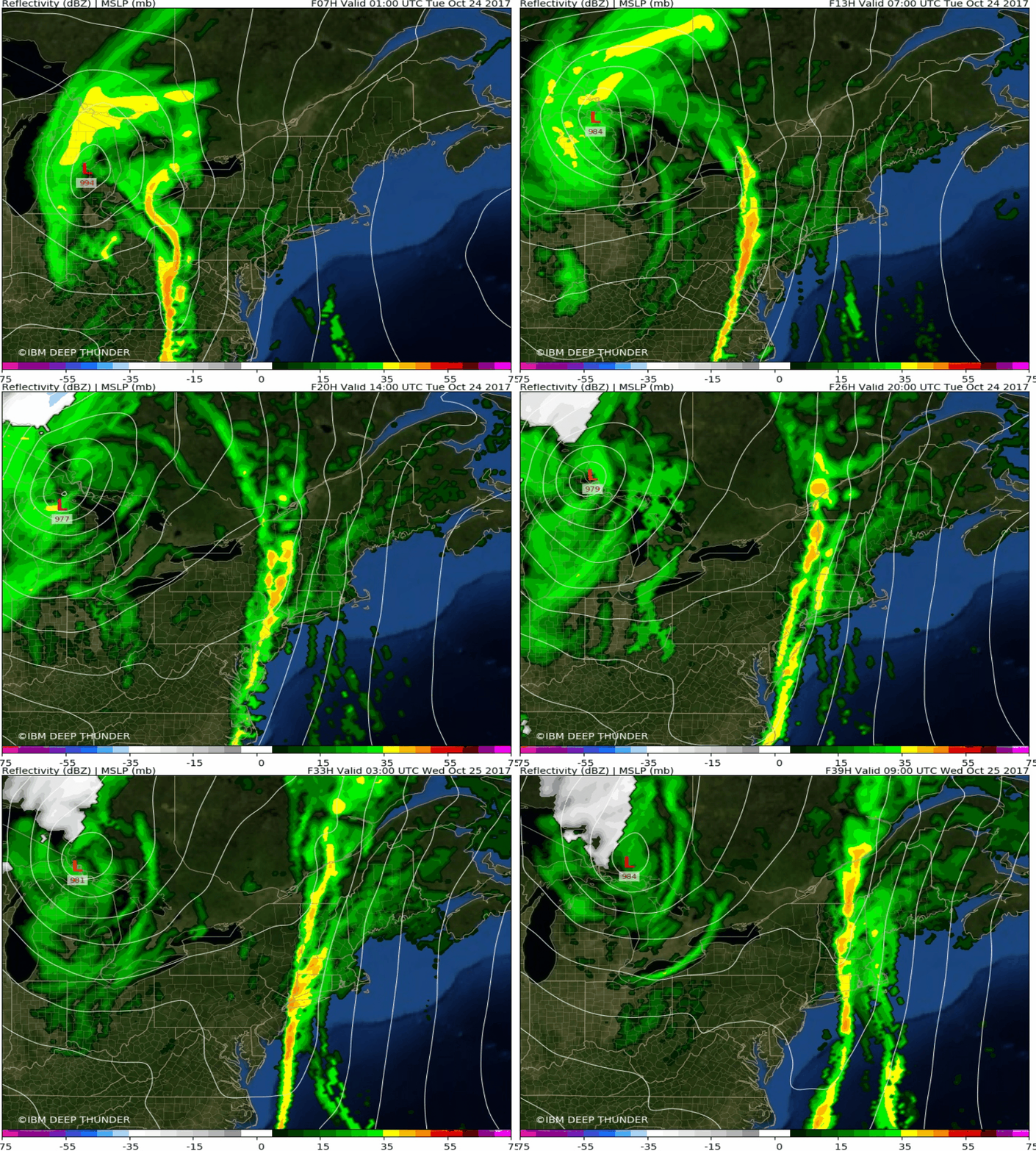
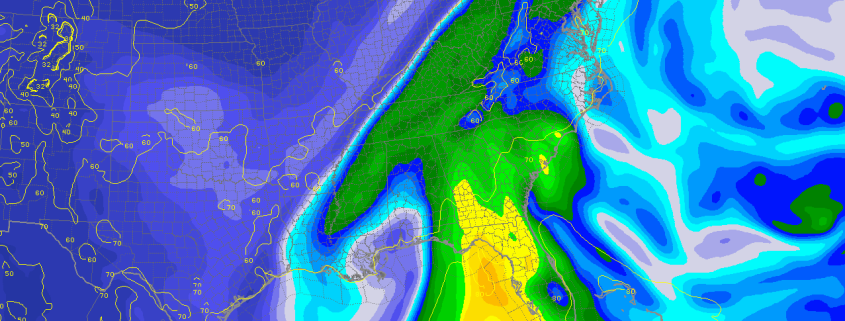
This afternoons RPM model showing the evolution of the heavy rain and wind threat tomorrow afternoon/evening

This afternoons RPM model showing the evolution of the heavy rain and wind threat tomorrow afternoon/evening

Wednesday and Beyond 

After this first system, high pressure looks to build in behind the exiting upper level trough, which should help to bring in much cooler temperatures and low humidity courtesy of a fresh Canadian airmass. This should allow temperatures to become quite seasonable across the region, with highs likely staying the upper 50’s to middle 60’s for the remainder of the week. Conditions should also become quite calm as well, with mainly sunny conditions expected. Each night should feature fair to excellent conditions for radiational cooling to take place, so expect overnight low temperatures to drop down into the middle 30’s to low 40’s, with some areas likely seeing another round of patchy frost-with the best chance being on Thursday.

After this bout of calmer weather, we then turn our attention back to the Pacific northwest as another vigorous mid level system crashes into the West coast. This system will gradually move into the central part of the country by the end of the work week, and should likely phase with another piece of mid level energy located over the southern Plains. As the energy consolidates and begins to strengthen, it will begin to deepen a trough over the eastern third of the country, which will once again draw up a very impressive amount of tropical moisture from the Gulf of Mexico and Caribbean. This mid level system will likely be much more impressive than this current one, as it should have enough cold air on the back side of the trough to potentially drop a good amount of snow on the northern tier of the country. This storm system will likely track into the Great Lakes region by Saturday afternoon, but the models show a potential wild card to this forecast. Due to the enhanced convection over the Caribbean and Gulf from the strong Madden-Jullien Oscillation pulse over the area, we could potentially see some kind of tropical system become tangled up with the cold front draped over the southeast US.  As the front heads east towards our area, we could see copious amounts of rain from the tropical system riding the front up the east coast, but this will likely change and will be highly dependent on just where the front sets up. Regardless, there is a heightened potential for a cool and stormy weekend ahead, and we will have further updates on this system during the week!
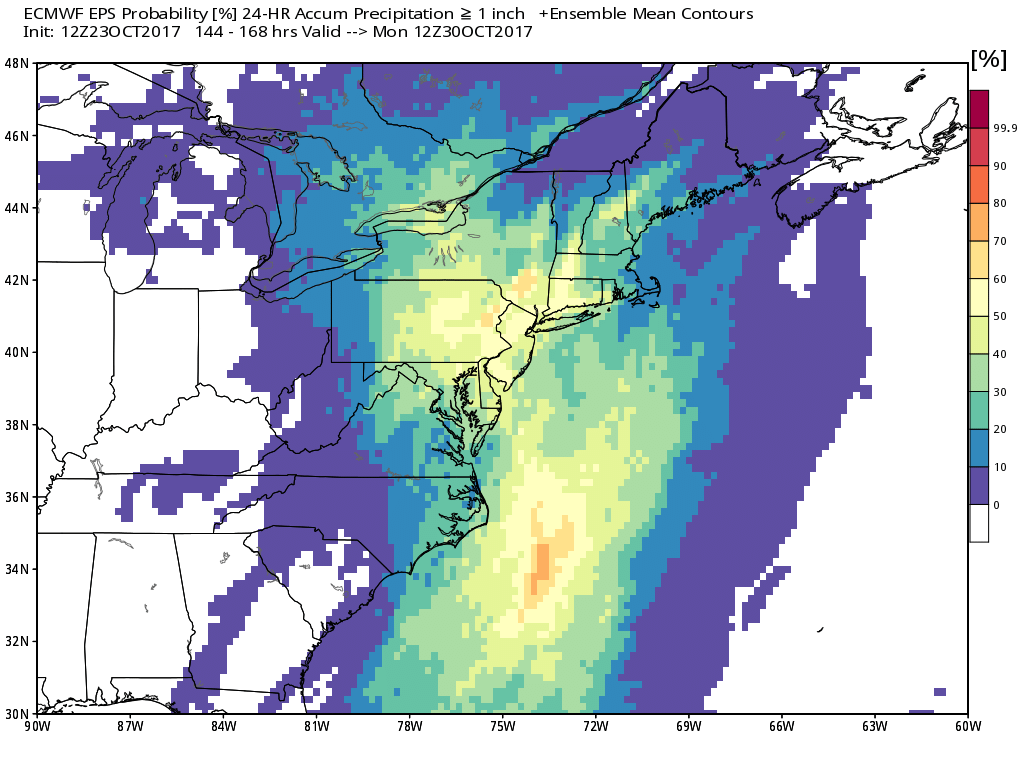
This afternoons European Ensembles already showing a high probability of 1" or greater of rain for this weekend

This afternoons European Ensembles already showing a high probability of 1″ or greater of rain for this weekend

For more information and posts like this one, make sure you sign up for Premium Forecasts — where multiple detailed articles, videos, and interactives are posted each day. Also, come interact with our staff and many other weather enthusiasts at 33andrain.com!

Have a great night!

Steve Copertino
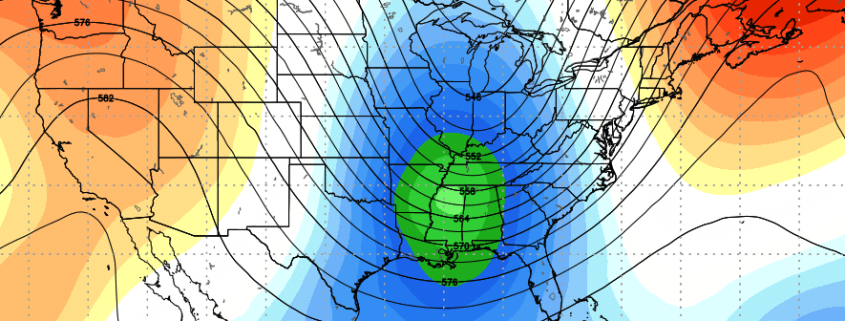
Volatile pattern arrives with multiple storm chances across US

The days of prolonged warm and benign weather have begun to come to a close across the Central and Eastern USA as we begin the work week, as a volatile weather pattern begins to set in. Happy Monday! After discussing impending changes for several days, and looking to the Pacific Ocean for signals as to when and why the changes would occur, they will finally arrive – with a dramatic pattern change especially across the Central United States.

As a large ridge builds along the Western USA shores, in response to a retrograding Pacific Ocean pattern, colder air will surge south into the Central United States by way of a deep, anomalous trough sliding southward from Canada. Air temperatures will fall much below normal across the majority of these regions as the trough shifts southward, and a low pressure system will develop from the Upper Midwest into the Great Lakes later this week.

Read more

ENSO Update: Weak La Nina Likely for the Winter

Good afternoon! We continue to monitor developments with La Nina this weekend, as it will one important features will be considering in our monthly and winter forecasts. Sea-surface temperatures this past week, have cooled over more of ENSO regions in the Central and Eastern Pacific, as anticipated in our last major update. The thermocline (sea-surface temperature gradient) has been rising this week, with an easterly trade wind bust causing more upwelling cooler sub-surface waters into the Central Tropical Pacific. The latest 30-day moving SOI is now at +13.03. So La Nina conditions have been strengthening this week.

Read more

Beautiful Weekend on Tap, Changes Coming Next Week

Good Evening! 

We’ve certainly seen a nice change in sensible weather over the past two days or so, as the warm temperatures and humidity have been funneled out and replaced with much more seasonable conditions. Today was an extension of this seasonable weather, as light winds from the southwest brought in a mild day with highs ranging in the upper 60’s to lower 70’s across much of the Northeast. This is only slightly warmer than what we’ve seen this week due to a slight increased in mid level temperatures as an area of mid level ridging begins to build in off to our south and west. This area of building ridging will also allow for increased subsidence to overwhelm the area, so this contributed to a mainly sunny day with the exception of just a few high level cirrus clouds. Conditions will remain quite calm and clear throughout the evening hours and into the overnight hours as a weak cold front begins to sag into the Northeast over portions of western New York and Pennsylvania. This front will be moving relatively quick, and will also be quite weak, so no noticeable temperature drops will be likely overnight. With generally clear skies, light winds from the southwest switching to northwesterly, and relatively low humidity, temperatures tonight should bottom out in the middle to upper 40’s west of the metro area, and in the upper 40’s to lower 50’s in the immediate NYC area. These conditions will also be quite favorable to view an ongoing meteor shower occurring right around the club of Orion, with the best viewing times happening just after midnight!

Surface observations and high resolution satellite imagery from GOES 16 showing relatively tranquil conditions over much of the Northeast this afternoon/evening with mild temperatures (Simuawips)

Surface observations and high resolution satellite imagery from GOES 16 showing relatively tranquil conditions over much of the Northeast this afternoon/evening with mild temperatures (Simuawips)

Friday Into the Weekend 

Much of the same is likely on Friday, with clear and mild conditions likely starting off the day as the weak cold front quickly passes through during the morning hours. The only notable changes will be a shift in the wind direction from southwest, to northwest, but this should gradually change back as the day progresses. Mid level ridging will continue to build in from the west during the day tomorrow, and this will usher in slightly warmer mid level temperatures over the area. A renewed area of subsidence will also begin to build in, expect a generally sunny day across the entire area with highs in the upper 60’s and lower 70’s once again, with locations closer to the city more likely to see temperatures around the 75 degree mark. Tomorrow should give way to a very nice end to the workweek as the tranquil conditions last into the overnight hours with temperatures likely falling into the upper 40’s and lower 50’s for low temperatures, which is rather seasonable for this time of year.

As we head into Saturday, we should begin to see the mid level ridging that has been building to our west really flex its muscles and start to usher in even warmer mid level temperatures during the day, but also working to keep much of the subsidence and dry weather in place over the region as the stormy/active weather remains well north of the Northeast, over Canada. With the warmer mid level temperatures aloft, highs in the middle 70’s are likely during the day, with some locations near the city likely reaching into the upper 70’s, and possibly even around the 80 degree mark during peak heating hours. Much of the same is expected on Sunday as the crest of the mid level ridge will be located right over the Northeast. Sunday is likely to have more sea-breezes with it, but should be another warm and beautiful day nonetheless to get some work done outside, or just enjoy the day in general. Dewpoints will remain quite comfortable as well, which should lead to both evenings being very pleasant while radiational cooling takes temperatures down into the lower to middle 50’s for lows.

This afternoons ECMWF model showing the building mid level ridge over the Northeast on Sunday afternoon. This ridge should lead to very mild conditions this weekend with very little in the way of cloud cover.

This afternoons ECMWF model showing the building mid level ridge over the Northeast on Sunday afternoon. This ridge should lead to very mild conditions this weekend with very little in the way of cloud cover.

Changes Coming Next Week! 

While the ridging over the Northeast may linger into the early part of next week, large-scale changes will begin as early as Monday. A mid level ridge will begin to set up over the west coast, and this will begin to force the remnants of a large mid level trough in the central part of the country. The remnants will likely become cut off from the overall jet stream while these changes occur and begin to dig into the Ozarks and Tennessee valley. As ridging out west continues to amplify, it will begin to pour in rather energetic Pacific energy coming from the active Pacific jet. This energy, in conjunction with the cut off upper level low will begin to round out a trough in the eastern half of the country starting on Monday night and into Tuesday. As this upper level low begins to interact with the incoming trough and cold front, it will cause rich tropical moisture to stream northward into portions of the Mid-Atlantic and Northeast. This moisture should begin to reach the area on Tuesday morning/afternoon as the primary low pressure system heads north in Canada, with a large cold front pushing into the East. Depending on just when the mid level trough phases with remnant cutoff system will determine the overall timing of this system, but we are looking at increased potential for heavy rainfall early next week, with temperatures likely falling into below-normal territory by the middle of the week.

This models begin to diverge on what exactly happens with this system, as increased blocking could potentially allow the system to slow down enough to potentially cut off from the main flow and meander around the region for at least a few days. This solution is somewhat unlikely as ridging in the west breaks down due to the strong Pacific jet, but will be monitored as this could prolong periods of unsettled weather next week.

We will continue to watch this system over the next few days and will have an update by early next week! Enjoy the weekend!

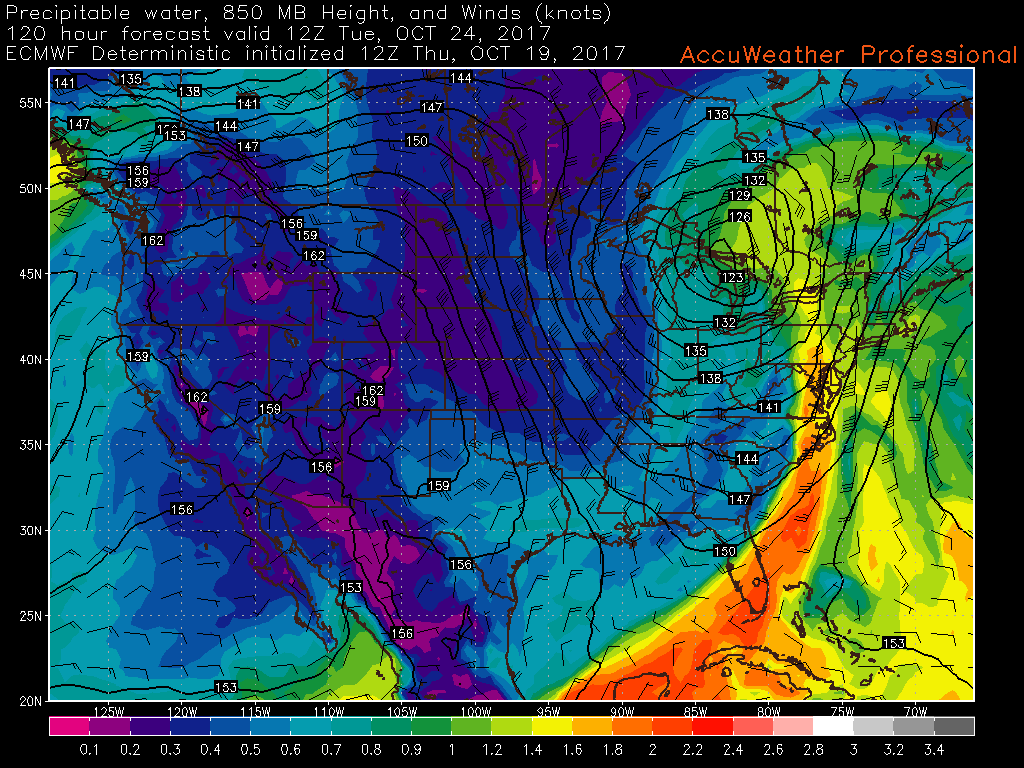
This afternoons ECMWF model showing a large plume of tropical moisture streaming into the east ahead of a large and mature frontal system

This afternoons ECMWF model showing a large plume of tropical moisture streaming into the east ahead of a large and mature frontal system

For more information and posts like this one, make sure you sign up for Premium Forecasts — where multiple detailed articles, videos, and interactives are posted each day. Also, come interact with our staff and many other weather enthusiasts at 33andrain.com!

Have a great night!

Steve Copertino