Multiple Wave-Breaking Events Support an early January Snowstorm

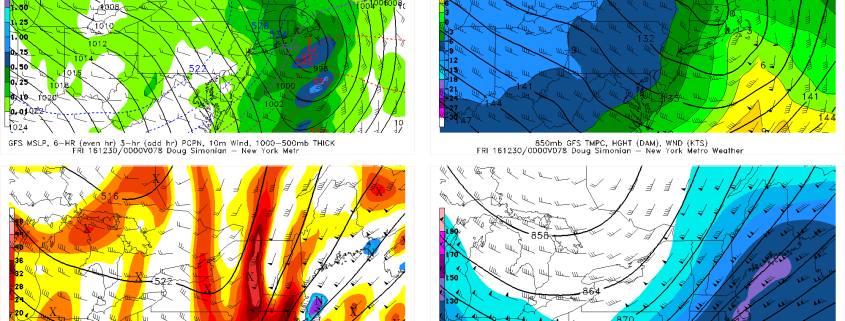
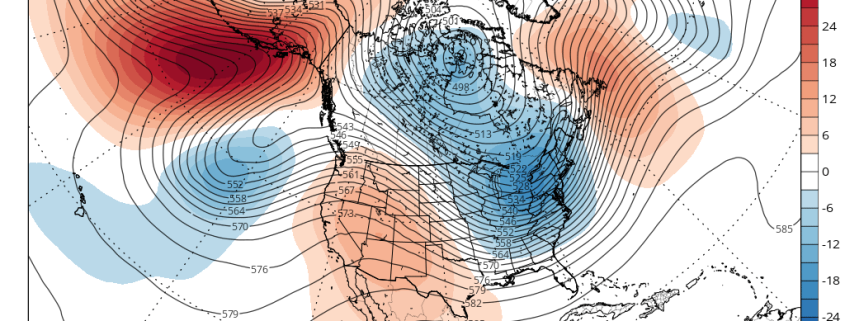
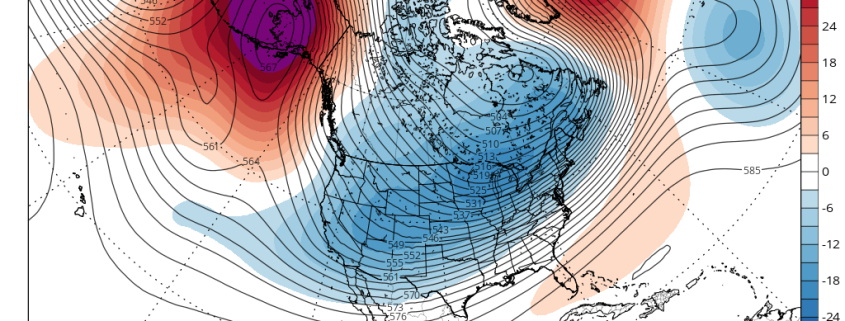
While the coast is experiencing yet another rain event to end 2016, there are many changes currently ongoing to the pattern that could open the door for a widespread snow event in the beginning of 2017. How long the pattern change lasts for is a different discussion and will be talked about in our long range update tomorrow, but for now we will be focusing on the changes over the next week.

We first place our eyes on the Pacific. A couple of days ago, there was a strong Pacific Jet and the flow was somewhat zonal in the Pacific, and to some extent that is still currently true. But looking closely, there was an active wave train of ridges and troughs, despite the relatively flat flow. It wasn’t just one straight buzz-saw — there were ripples to this pattern that could easily lead to more amplification in a short period of time. While this isn’t the sole cause of the eventual wave-break, we have a cut-off low in the Southwest that retrogrades, and that began to slow the pattern down upstream in the Pacific. And when there are already ridges and troughs in-place, sometimes it just takes one slow-down to truly shake things up.
Read more

Winter storm increasing likely in interior New England late week

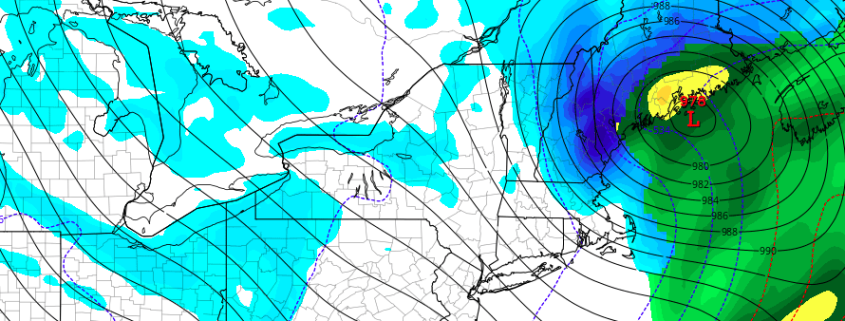
Discussed at length yesterday was the potential for a notable winter weather event this weekend in New England, particularly interior locations, with the development of an impressive low pressure area in the Gulf of Maine. Forecast models over the past 12-24 hours have trended favorably for the development of this low pressure area, with a shrinking envelope of potential solutions on the table.

The most notable change has been a trend away from a progressive mid level atmospheric solution, which many forecast models had agreed was going to occur just a few days ago. Synoptically, this type of solution made sense — but a change in the pattern across the Pacific Ocean will lead to more amplification potential downstream over the United States. A more amplified disturbance driving into New England has led to the slower, stronger trends on forecast model guidance.

Read more

Weekly Overview: Transitional weather, interior winter storm possible late week

It was dreary today with lots of cloud cover and spotty light rain and drizzle in some areas. High pressure is now moving out into the Atlantic, while low pressure from the Midwest tracks into Southeast Canada.  This will allow for a warm front to lift further northward through the Northeast states this evening, with winds turning more southwest overnight. Cloud cover will remain in place most of the night with some light rain or drizzle still possible.

Temperatures will gradually rise through the 40s into the 50s later tonight and Tuesday, especially closer to the coast.  These temperatures will be mild for late December. A cold front moves through the Northeast states with more showers possible Tuesday morning and early afternoon.  A mid-level shortwave and upper-level jet streak drifting through may aid in more lift, but moisture appears somewhat limited with this front based on this evenings guidance. So heavy rain is not anticipated.

Read more

The return of cold and unreliability of forecast models

So far this month, Central Park is running two degrees below average as a result of an impressive North Pacific wave-breaking event that shifted the cold from Siberia into North America and the US. The cold has since generally retreated northward as a result of an expanding Pacific Jet that collapsed the ridge in Alaska and brought a Pacific airmass into the US. Additionally, the stratospheric Polar Vortex strengthened again, which further bottles cold air northward. However, these Pacific wave-breaking events tend to repeat themselves, especially when it’s already been established that there is a wave-train of ridges and troughs in the Pacific rather than a purely zonal flow. And while the cold air is bottled northward, it is still on our side of the globe, so any shift back to cold can theoretically occur quicker.

Starting around late next week, we’ll see the first in a series of wave-breaking ridges enter the North Pacific as the Pacific Jet retracts and slows down. This will allow the “train” to come to a halt and thus allow this ridge to build somewhat poleward, while the wave train to the west continues. However, there is still not enough to necessarily sustain this ridge, especially considering the extremely low heights from the Polar Vortex. This is when we will need more atmospheric “help” via a jolt to the Polar Vortex from both Scandinavia and another wave-breaking event in the Pacific on the heels of the first one. This should occur in early January and help to sustain -EPO ridging. The video below explains this process.

Read more