ENSO state in limbo as La Nina struggles

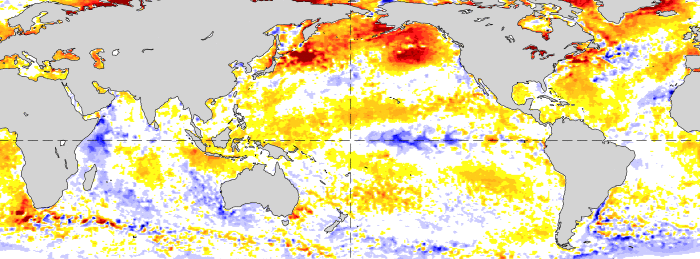
Much fuss has been made over the past several months in regards to the development of La Nina this year, coming on the heels of one of the strongest El Nino’s on record. There is a propensity for these things to occur, after all, and a significant cooling of Nino-region pacific temperatures led many to believe that a La Nina was not only on its way — but could be moderate or strong by the time cold season arrived in the Northern Hemisphere. Those ideas will not come to fruition.

The lack of La Nina development has, instead, been notable — with a significant lack of depth to any cooler sea surface temperature anomalies. Trade winds aren’t cooperating (we’ll get into that more later) and tropical forcing seems to favor this pattern continuing through the next few months. It appears likely, now, that La Nina will never truly get off the ground. Forecast models have responded, with monthly and seasonal data now pointing to a Neutral (La Nada) pattern through at least the first half of North America’s calendar Winter.
Read more

Heat returns to East, but active pattern awaits

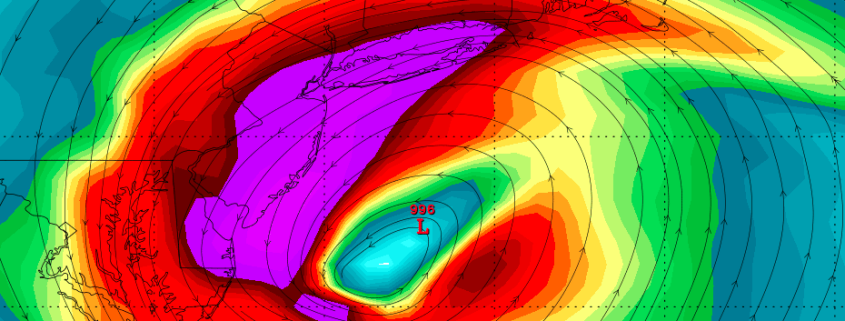
The remnants of Hermine are still hanging around, off the coast of New Jersey and south of Long Island this afternoon. The system, in fact, has drifted farther south today than it has been all week — much to the ire of meteorologists and forecasters up and down the East Coast. Nevertheless, the storm will begin to have a lessening impact on our areas weather as the days of this week go on. The system is vertically stacked, at all levels of the atmosphere, meaning it’s cut off from moisture and lift sources.

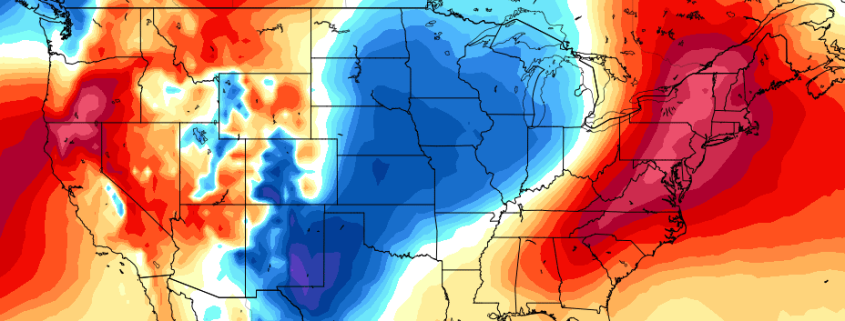
Accordingly, the storm will fade out slowly over the next 24 to 48 hours, with only momentum carrying its circulation. As it does so, a large mid level ridge will build across the East Coast and Western Atlantic, as we have seen several times already this summer. This pattern looks to remain in place through the weekend, when temperatures will again approach the 90’s in many areas.

Read more

Hermine strengthens, tropical storm watches for NJ Shore

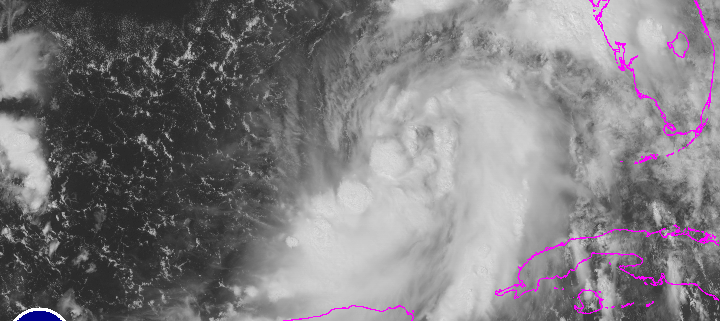
Hurricane Hermine strengthened in the Gulf of Mexico this evening, and continues to strengthen as it approaches the Florida Panhandle. Impressive satellite and radar imagery showed bursts of convection around the developing eye-wall of the storm, moving northeastward. Hermine is expected to make landfall along the Florida Panhandle before moving northeastward into the Southeast US.

After a short period of time in the Southeast United States, Hermine is expected to move northeastward and eventually re-emerge off the Mid Atlantic coast this weekend. Forecast models are in good agreement that the storm will track off the Mid Atlantic coast while interacting with a disturbance dropping southward over the Ohio Valley, which will eventually phase with Hurricane Hermine and tug the storm back westward toward the East Coast late this weekend.

Read more

(Premium) Tropical Storm Hermine Increasingly Likely to Affect our Region

We continue to carefully monitor developments with tropical storm Hermine currently over the Gulf of Mexico. It is forecast to make landfall near around the Florida Big Bend area, as a tropical storm. But it could intensity more — into a Category 1 Hurricane — before making landfall. Therefore, a hurricane watch has also been issued for this region. The main threat will still be heavy rainfall and perhaps some coastal flooding and storm surge along the coast, due to the new moon cycle.

For our region, we watch for at least the remnants of this system to affect our area. Model guidance has been indicating that a northern stream shortwave will break off the upper-level trough that will passing through the Northeast tonight and tomorrow. This will trail the that trough and create a new, powerful shortwave trough in the Ohio Valley — similar to what we sometimes see during our strongest snowstorms. Then this shortwave trough and energy will amplify the downstream pattern, and thus interact with the shortwave energy from Tropical Storm Hermine, as it moves up somewhere near the Georgia and Carolina coasts on Friday.

Read more